iHEALTH Researcher Among the 10 Finalists of the 2026 UC 3MT® Competition
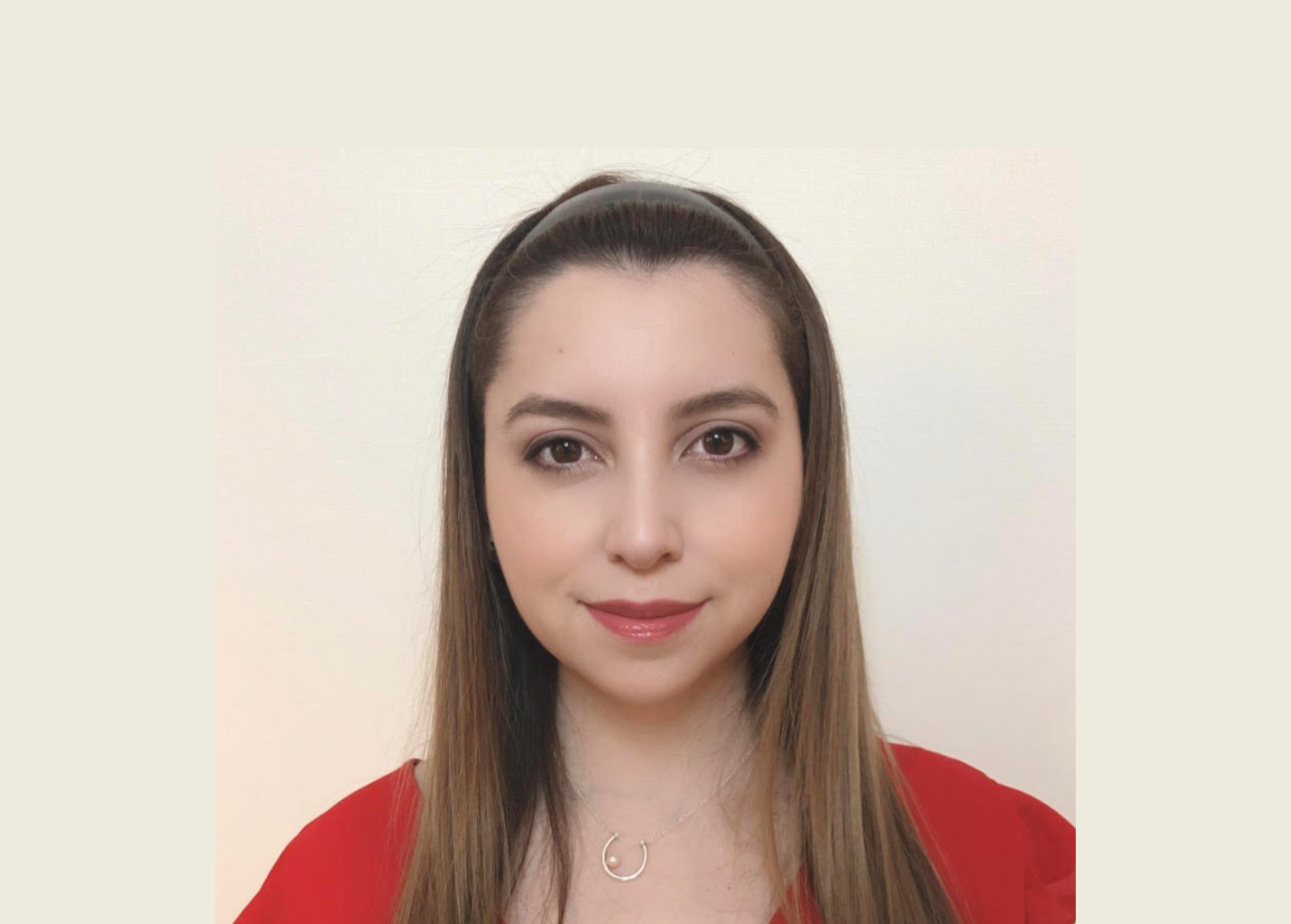
Karol Acevedo, a doctoral student, was selected as one of the ten finalists in the new edition of the Three Minute Thesis (3MT® UC) 2026 competition, the science communication contest organized by the Graduate School of the Pontificia Universidad Católica de Chile.
Three Minute Thesis UC (3MT® UC) is a research communication competition that challenges doctoral students to explain, in just three minutes and in English, the relevance of their thesis projects to a non-specialist audience. Rather than testing language proficiency, the competition rewards the ability to communicate complex research in a compelling, concise, and clear way, using language appropriate for a non-expert audience.
Created by the University of Queensland (Australia) in 2008, the competition is now held at universities around the world. The winner will represent the Pontificia Universidad Católica de Chile in the international edition of the competition, organized by the Universitas 21 Network.
Voice, noise, and teacher health
Karol Acevedo's project addresses a problem affecting one of the populations at highest risk of developing work-related voice disorders: teachers. In Chile, occupational dysphonia is recognized as an occupational disease under Law No. 16,744 and can affect up to 75% of teachers, with functional, emotional, and work-related consequences, as well as possible effects on students' communication and learning.
One of the main factors associated with this problem is classroom noise. In response to it, teachers automatically adjust their voice—increasing intensity and pitch—in a phenomenon known as the Lombard effect. This adaptation increases the load on the vocal folds and promotes the onset of voice disorders.
Voice therapy for patients with dysphonia is usually conducted in quiet, controlled clinical settings. The problem arises when teachers are discharged and return to noisy classrooms, with long hours of continuous voice use and high communicative demand—conditions under which what they learned doesn't always transfer. This can generate a cycle of dysphonia, treatment, medical leave, and relapse.
This research proposes progressively bringing therapy closer to the real acoustic conditions of the classroom. By incorporating controlled noise during training in Semi-Occluded Vocal Tract Exercises (SOVTE), the aim is for teachers to learn to use their voice more efficiently even in high-demand situations, helping vocal learning transfer to their work and reducing relapses.
Precise measurement under noisy conditions
The project's main technological innovation lies in integrating disciplines—medicine, engineering, acoustics, and voice science—together with measurement tools, particularly contact accelerometry. This device is placed on the surface of the neck and records the vibrations produced by the vocal folds during phonation. After individual acoustic calibration, the signal allows vocal intensity to be estimated.
This technique is especially valuable in a study where participants speak while exposed to ambient noise: while a microphone would pick up a signal contaminated by noise from speakers, the accelerometer mainly captures vibration transmitted through the neck, enabling more robust measurements even in the presence of noise.
Looking ahead, the research plans to explore incorporating artificial intelligence and machine learning to analyze multiple variables and identify patterns that could predict which teachers are at greater risk of developing dysphonia based on their working conditions.
This research continues a line of work Karol Acevedo has pursued in recent years on teacher vocal health. She was director of the FONIS SA23I0069 project, focused on teachers' vocal health, successfully completed in 2026.
"The ultimate purpose of this project is to generate a concrete impact on a population highly vulnerable to developing an occupational illness, namely teachers," the researcher notes. She adds: "If their working conditions are different, their rehabilitation should also take those differences into account. Our goal is to produce evidence that allows us to move toward treatments that are more realistic, transferable, and tailored to the true demands of teaching work."
The final challenge
After years of doctoral research, the finalists will face the challenge of explaining their thesis in just three minutes, in English, before a non-specialist audience. The winner will represent UC in the international Three Minute Thesis (3MT®) competition.
The final will take place on Tuesday, August 11, from 10:00 to 11:45 a.m., in the Main Auditorium of the UC Anacleto Angelini Innovation Center, 1st floor, San Joaquín Campus.
