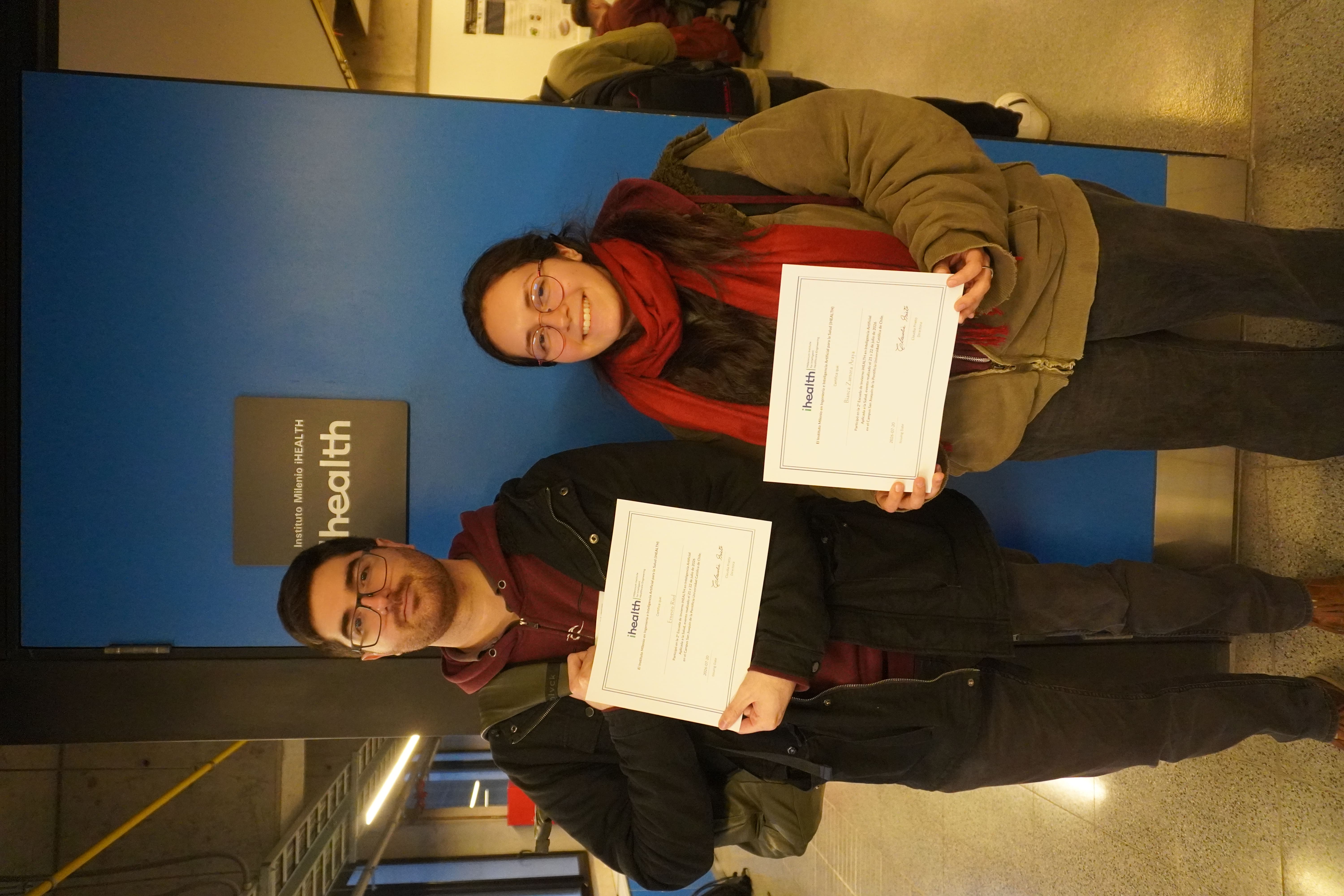
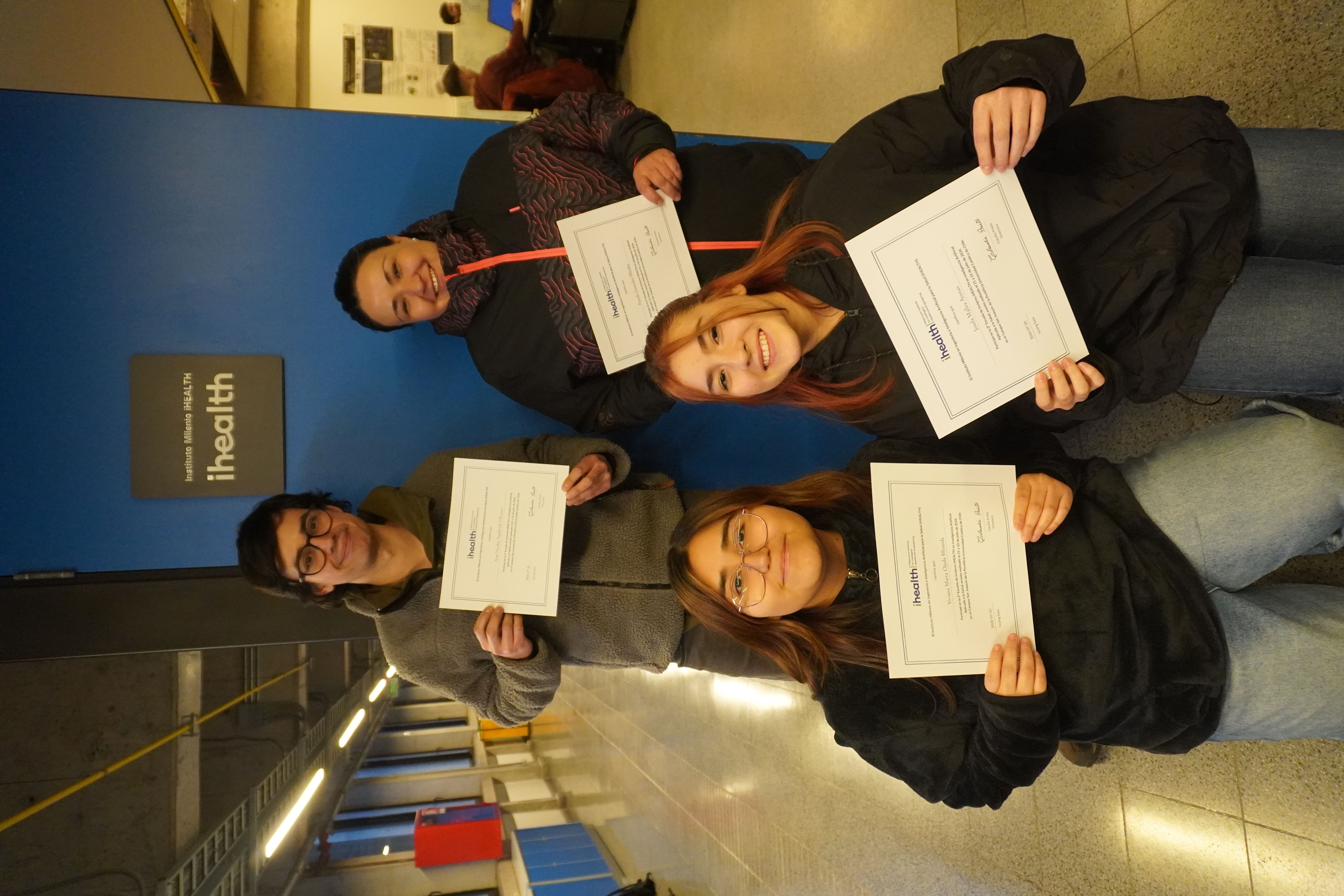
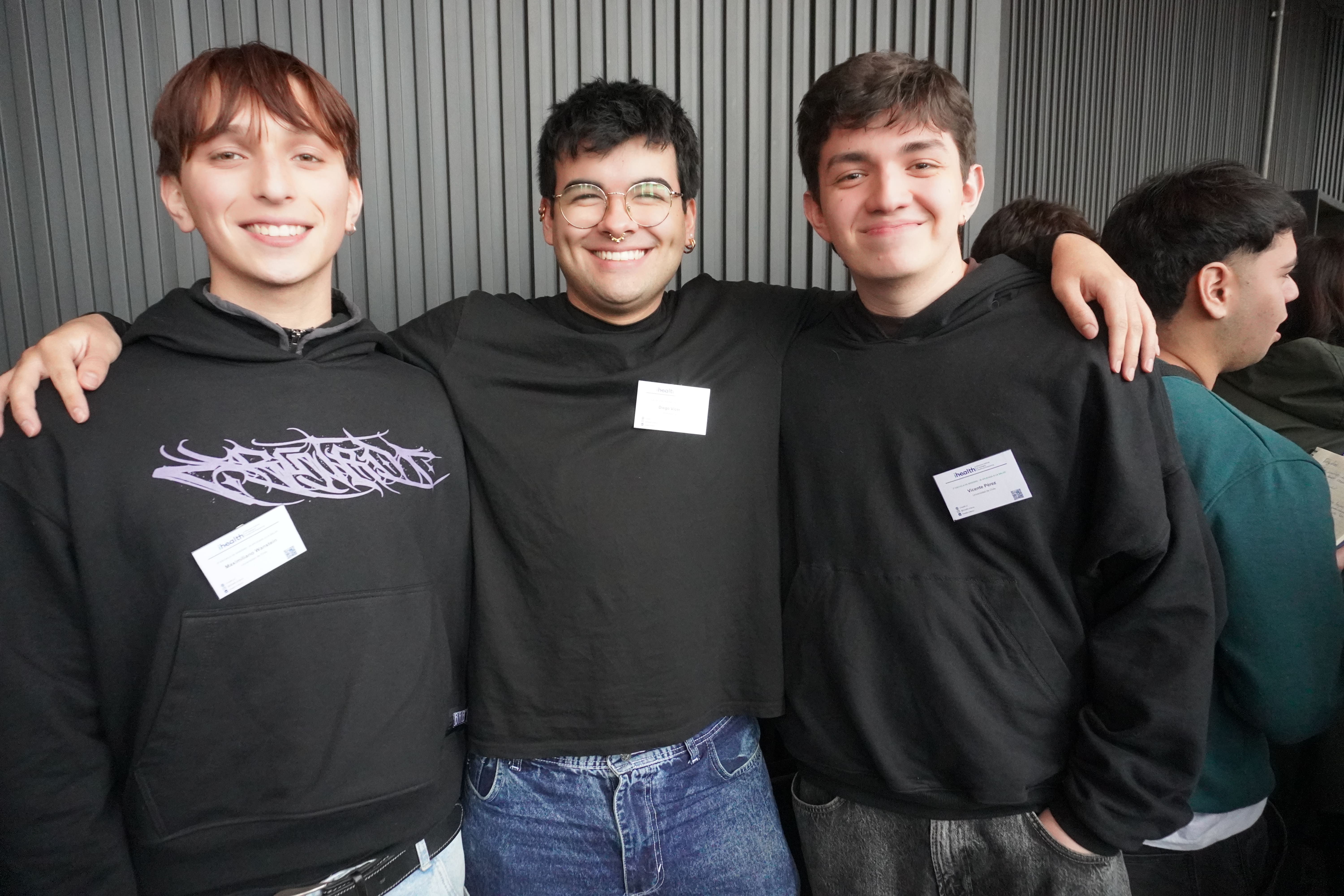
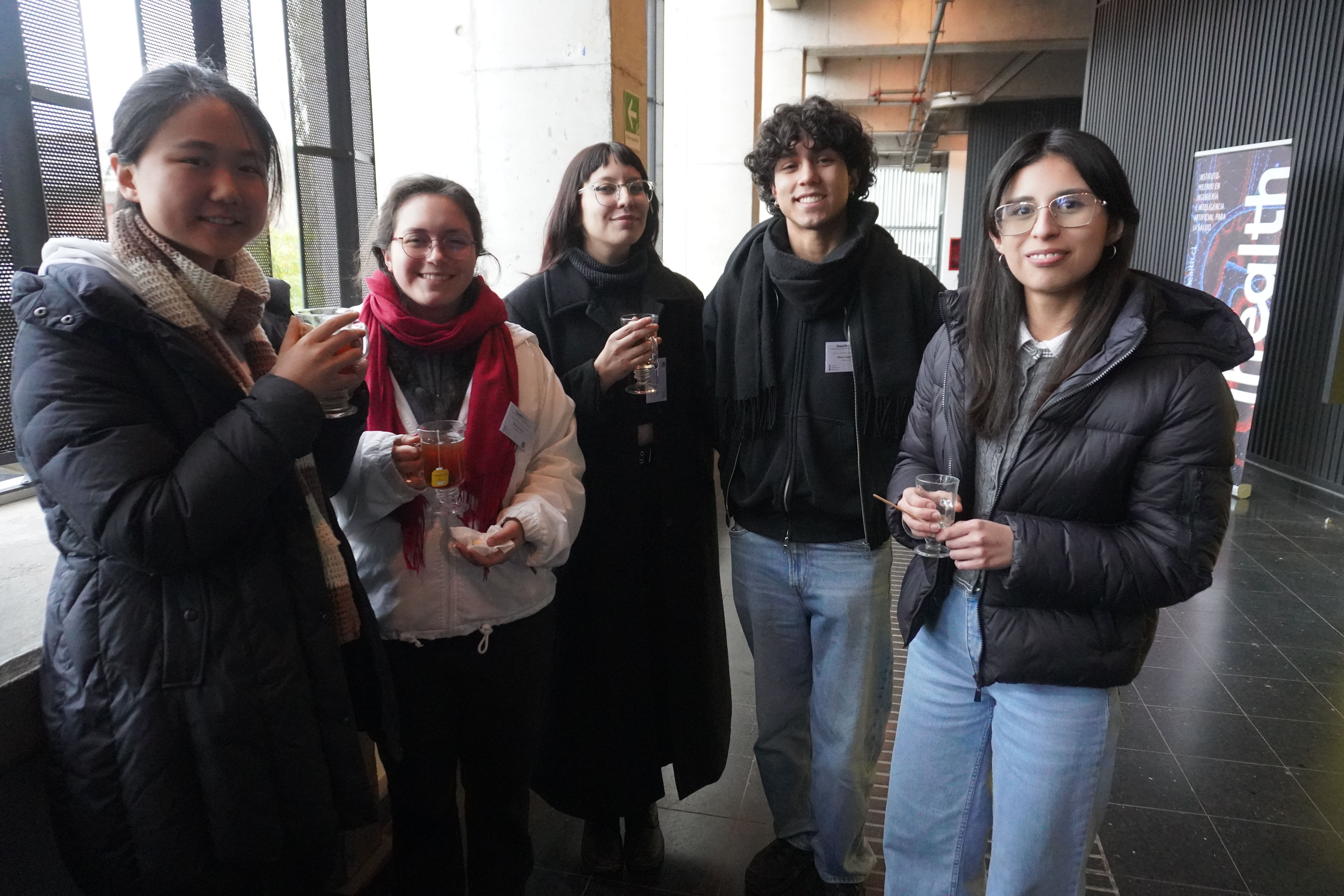
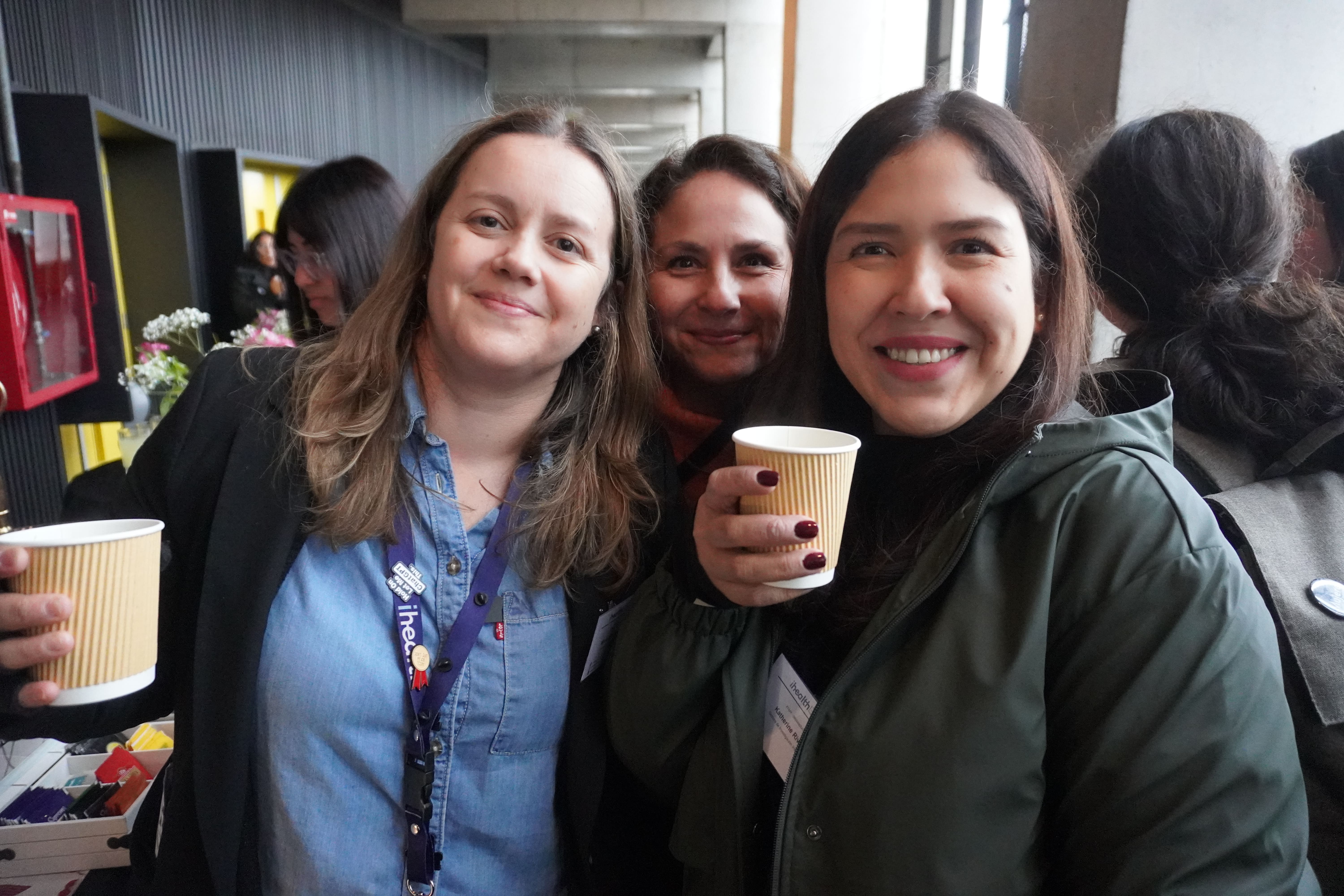
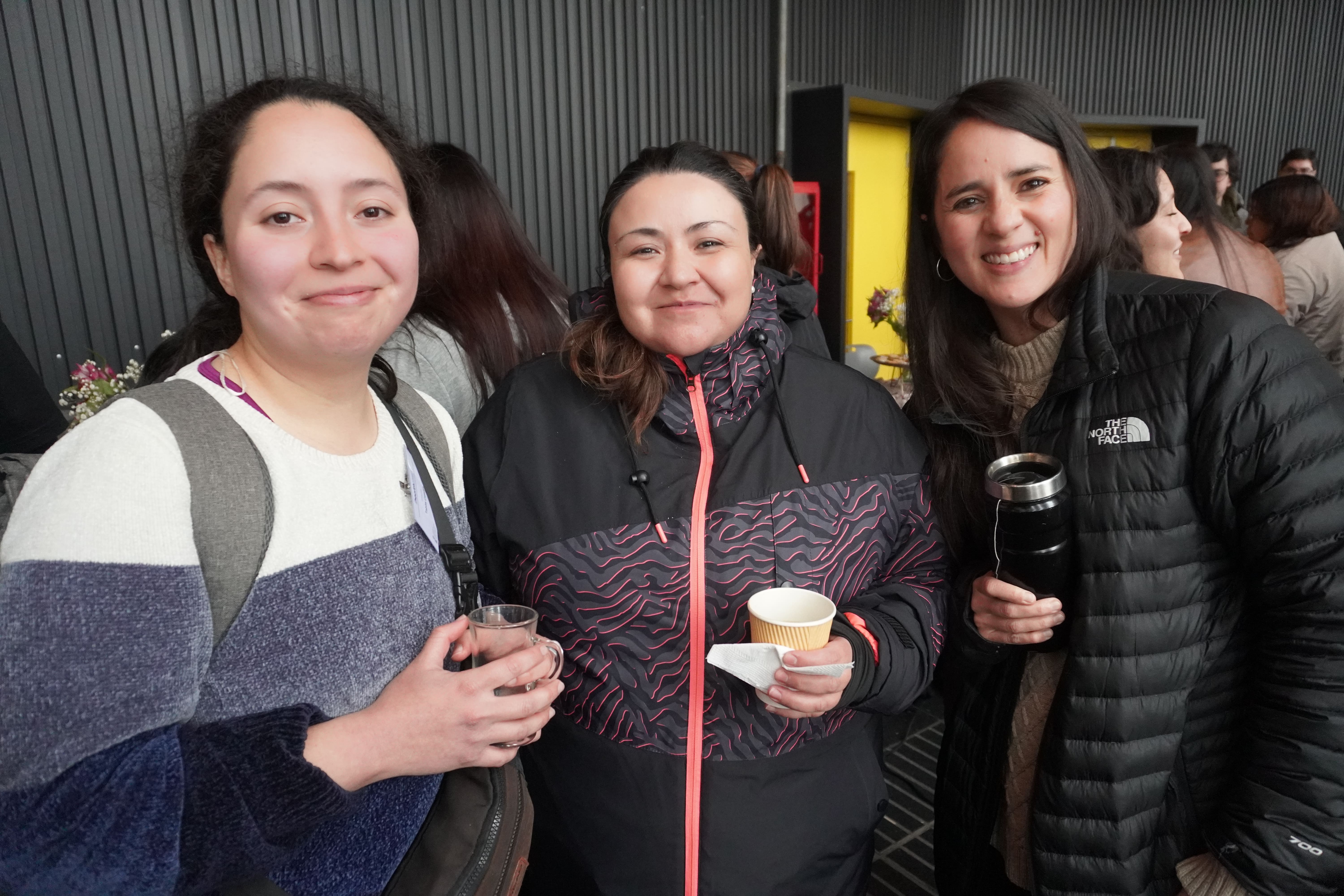
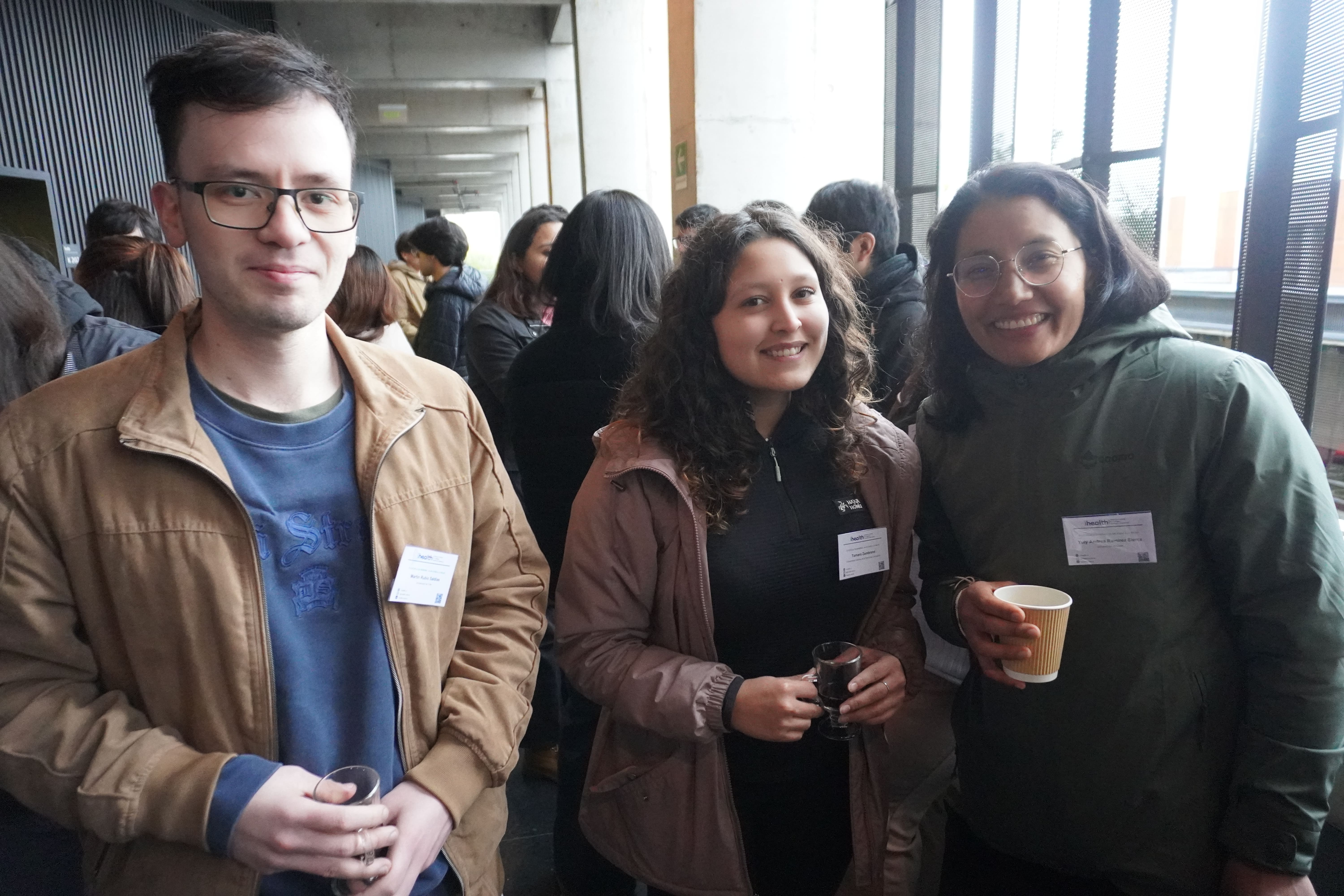
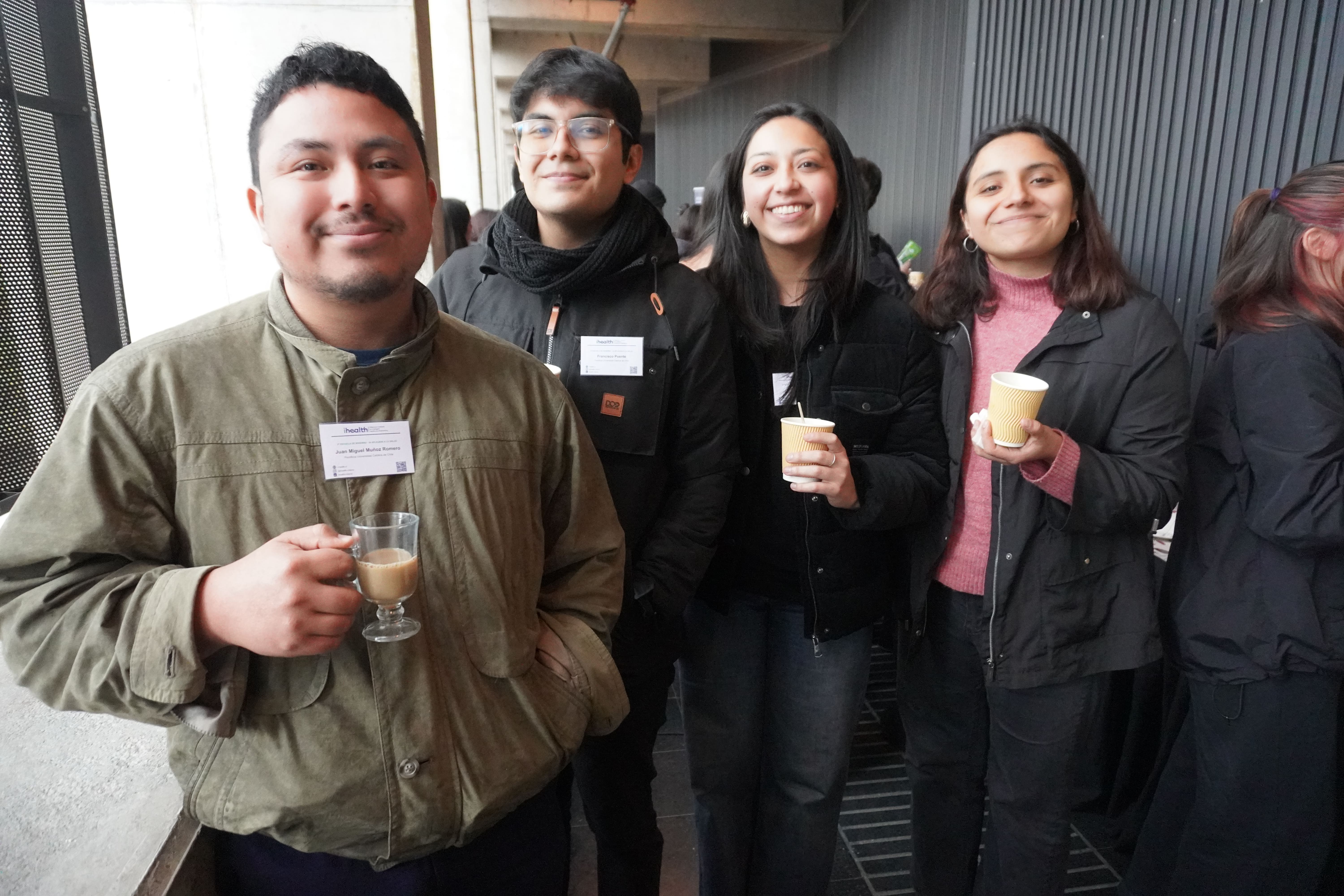
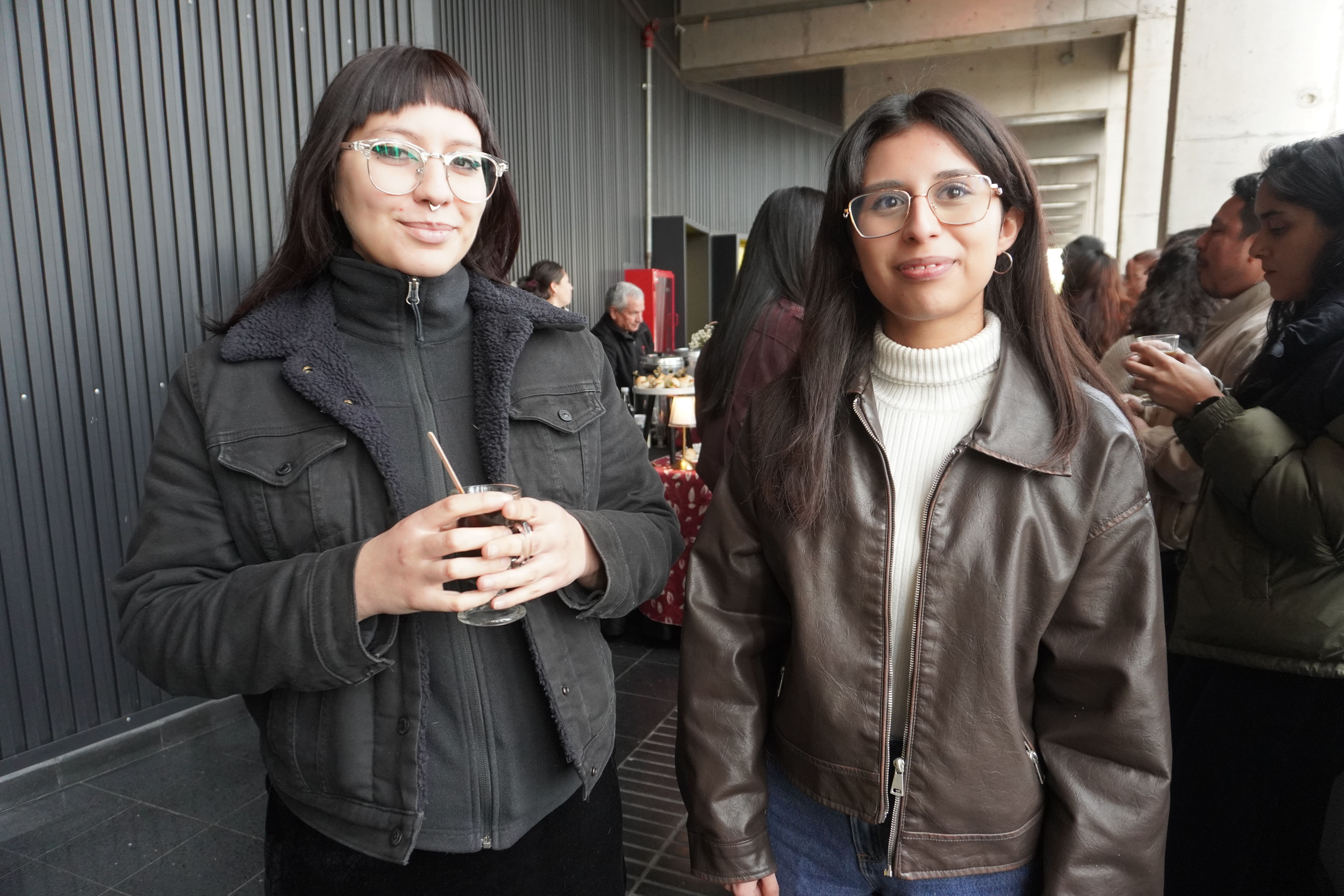
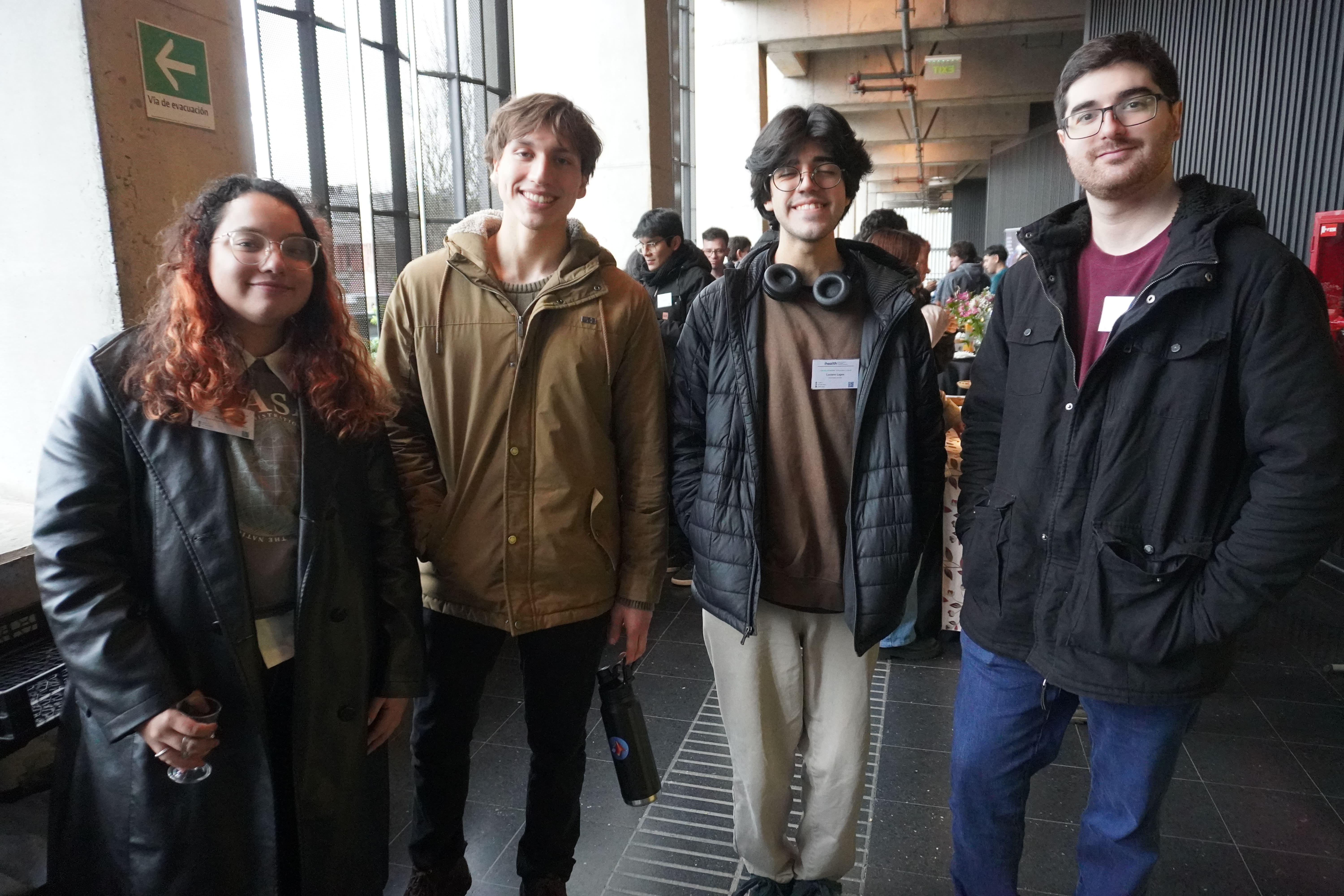
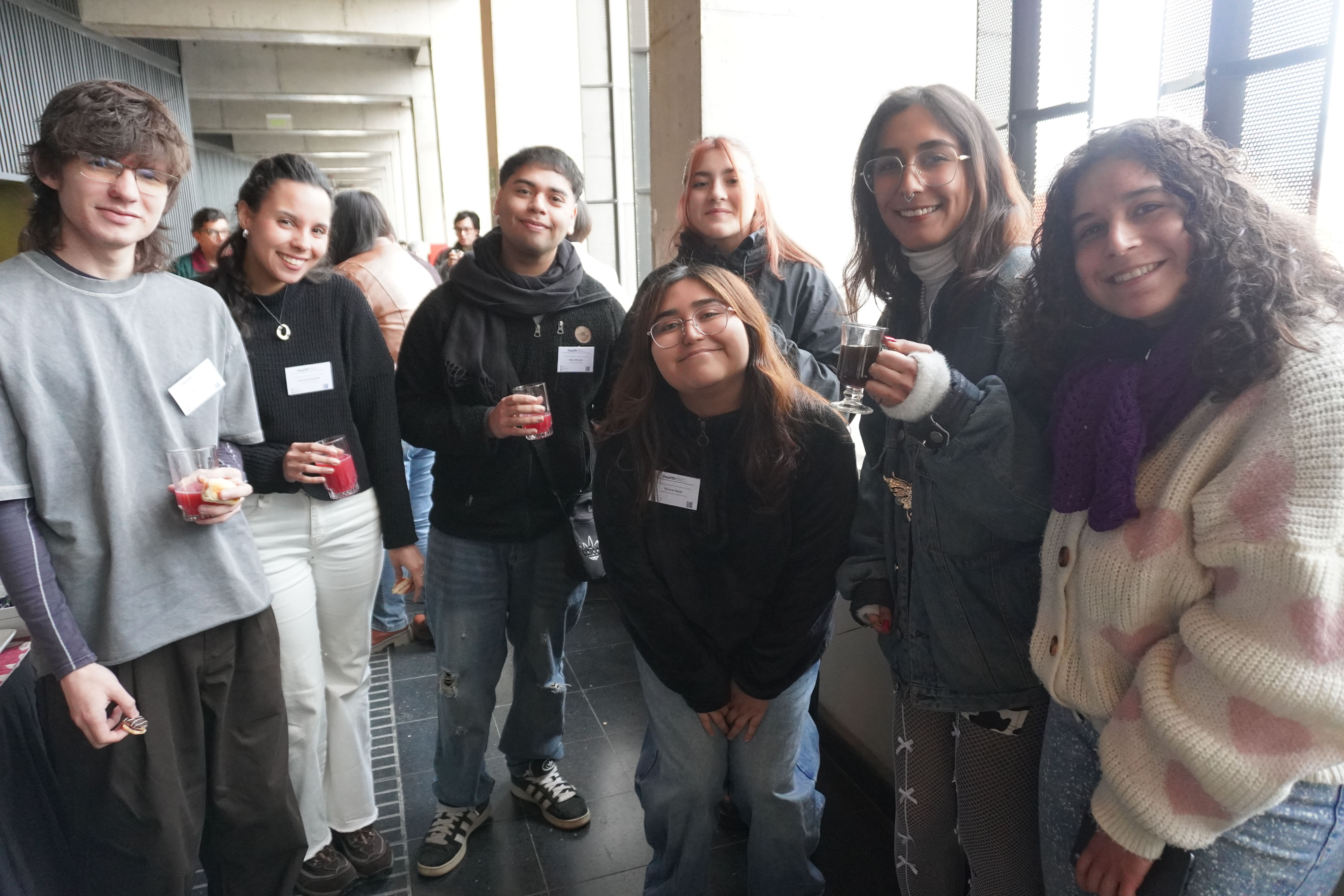
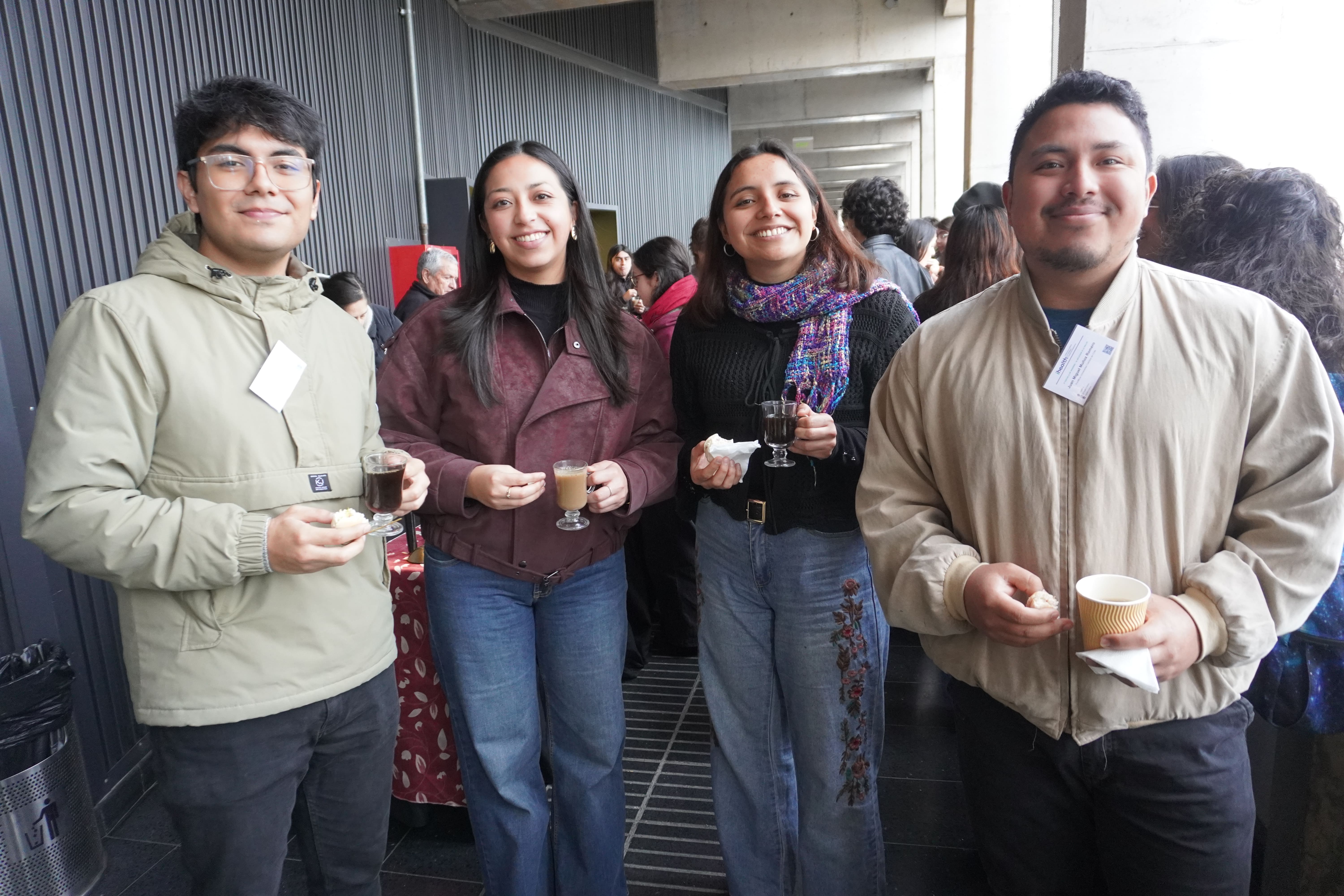
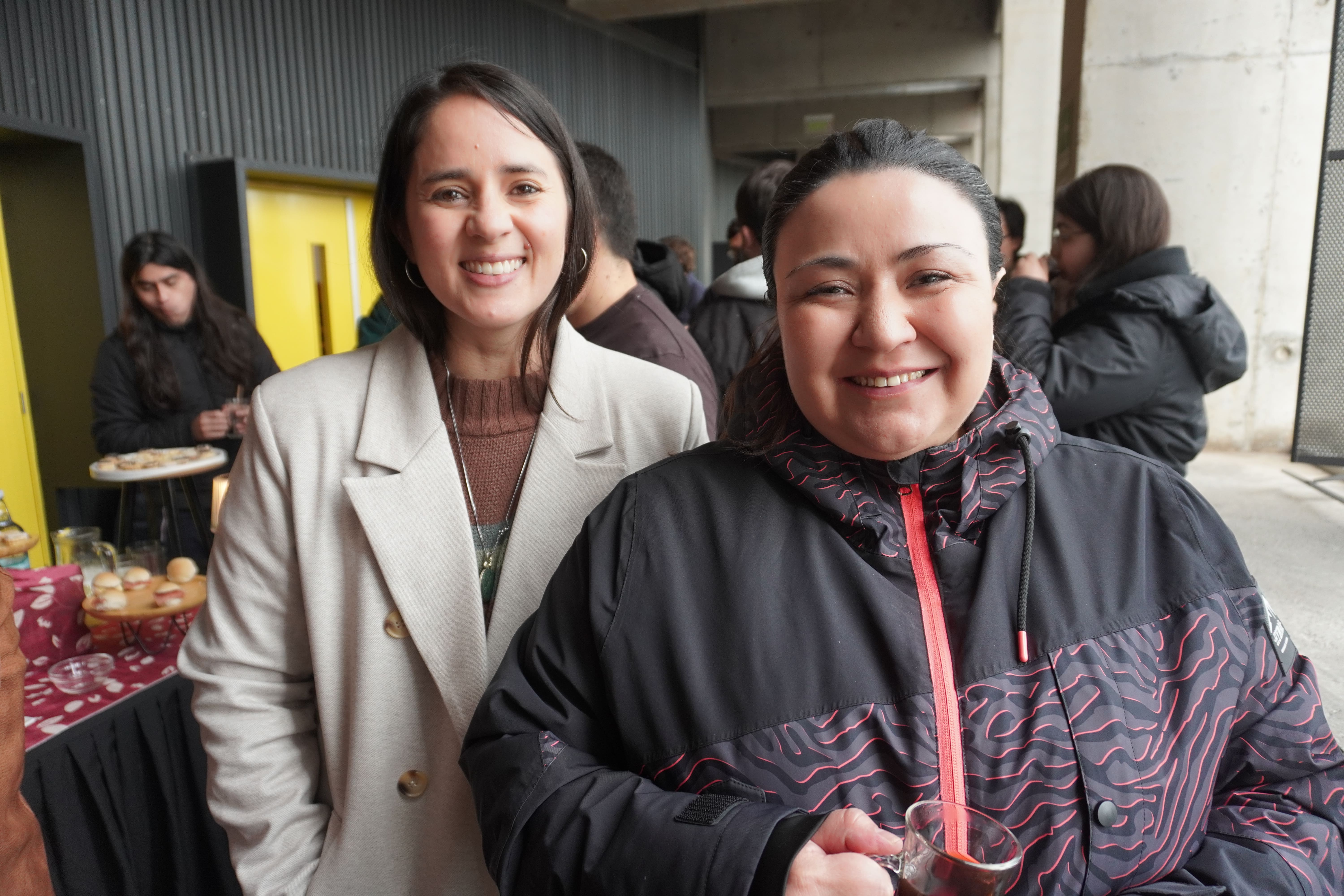
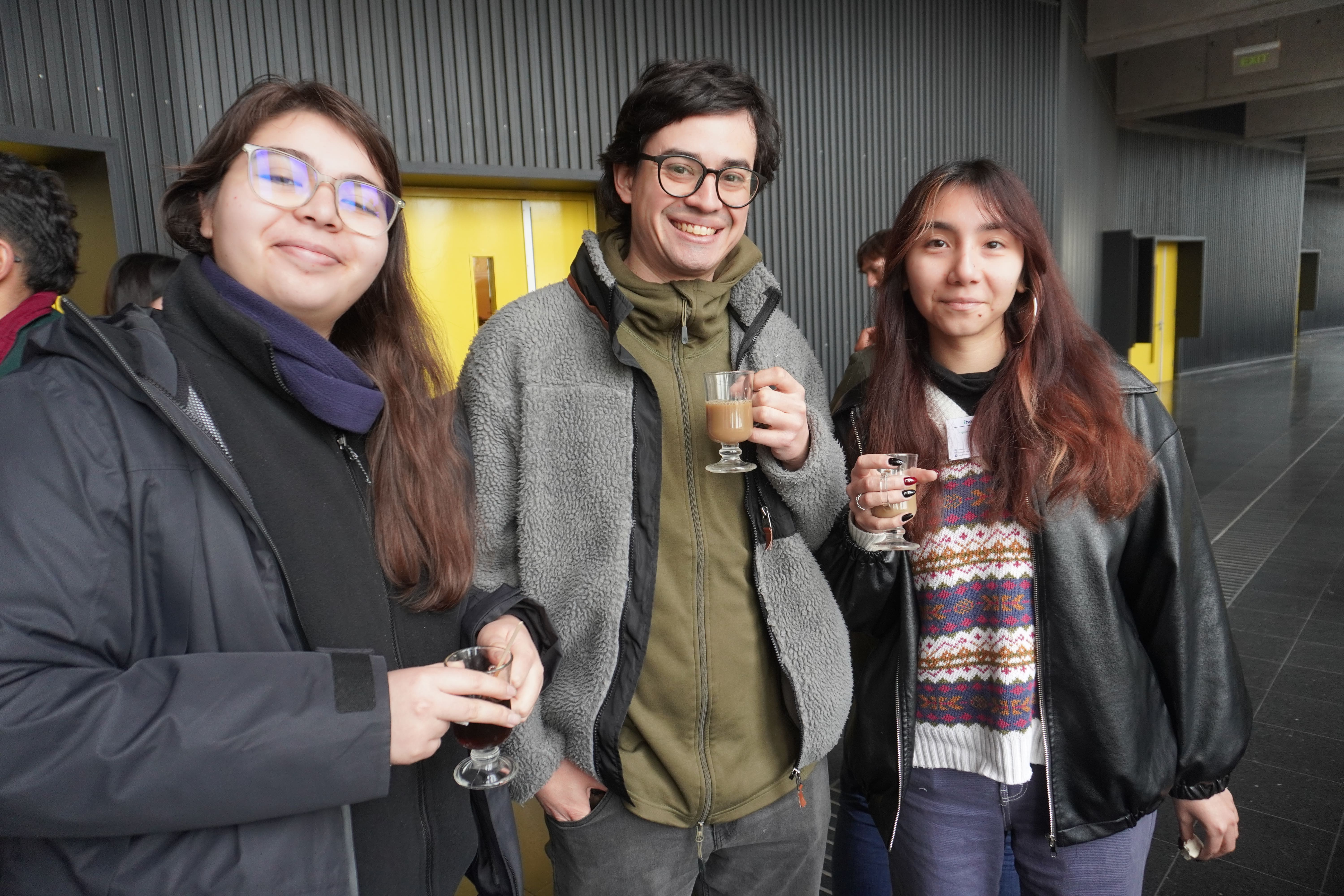
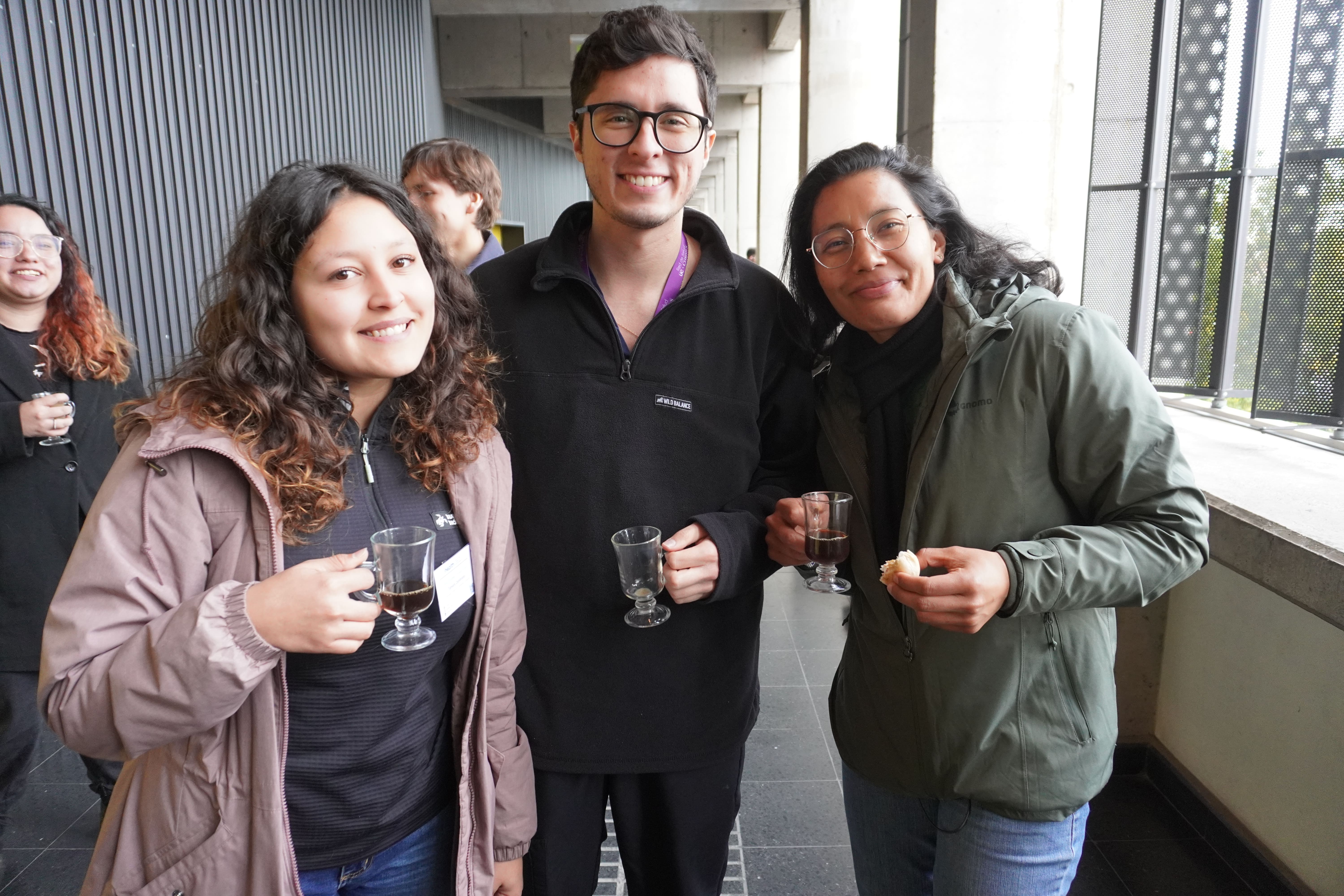
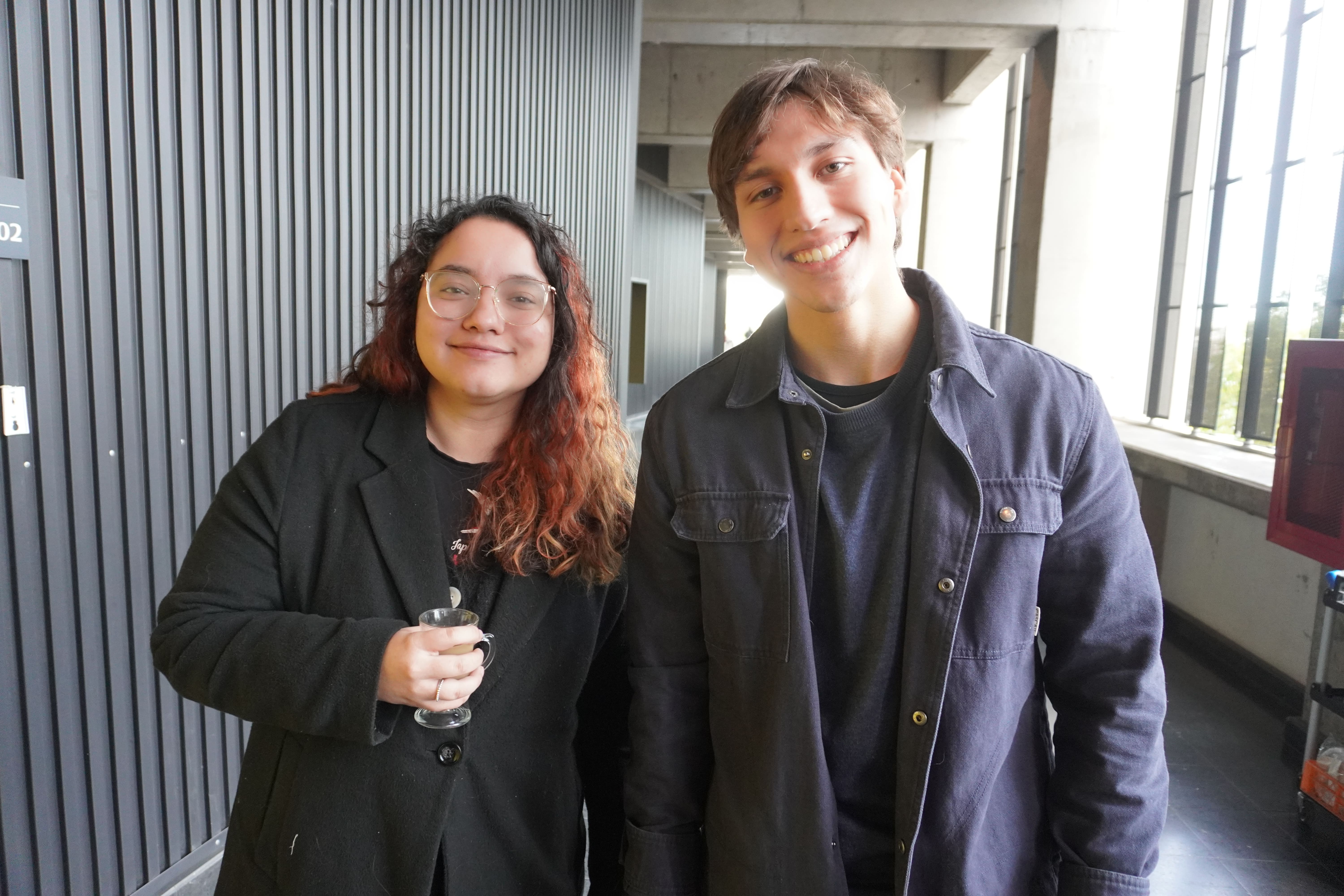
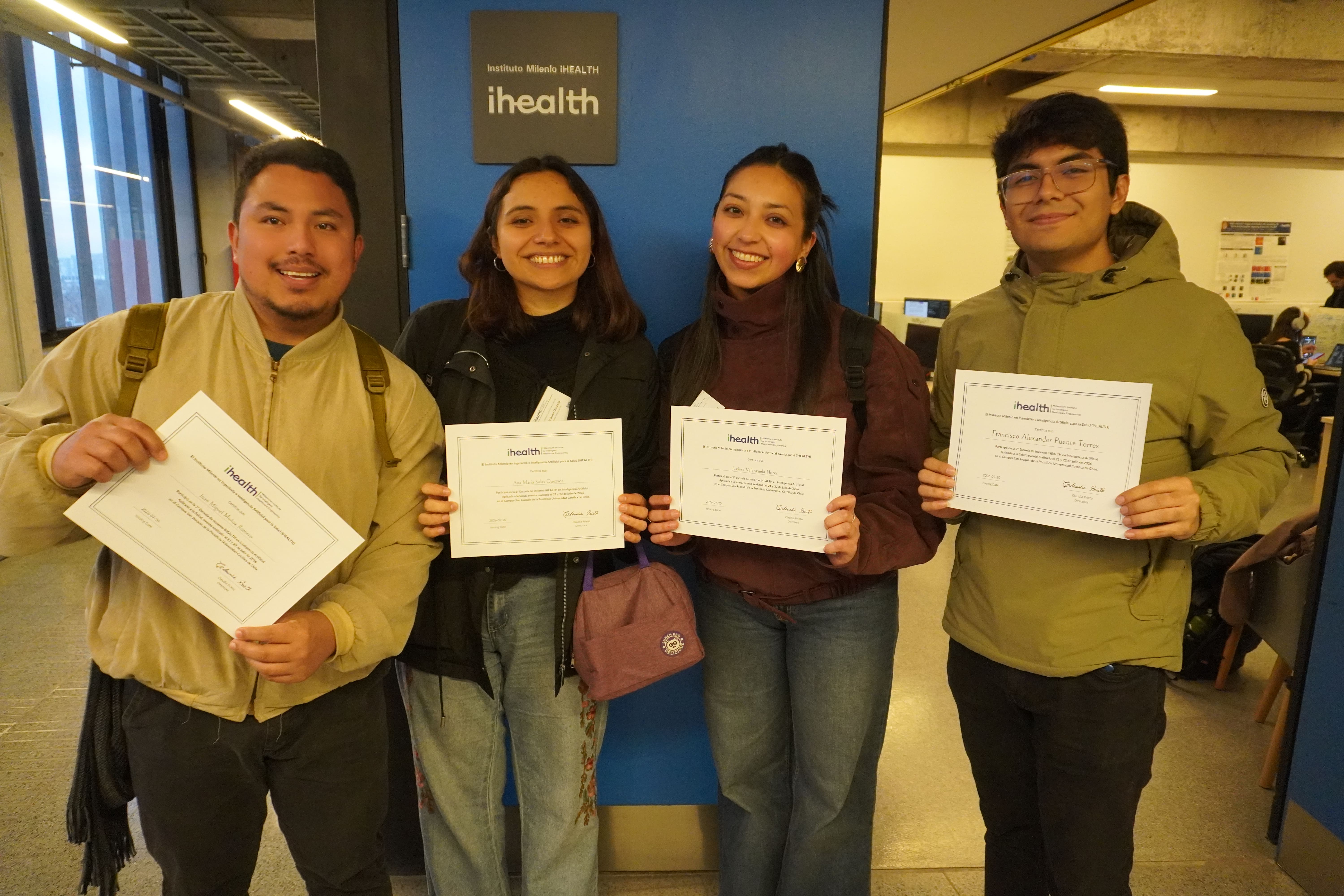
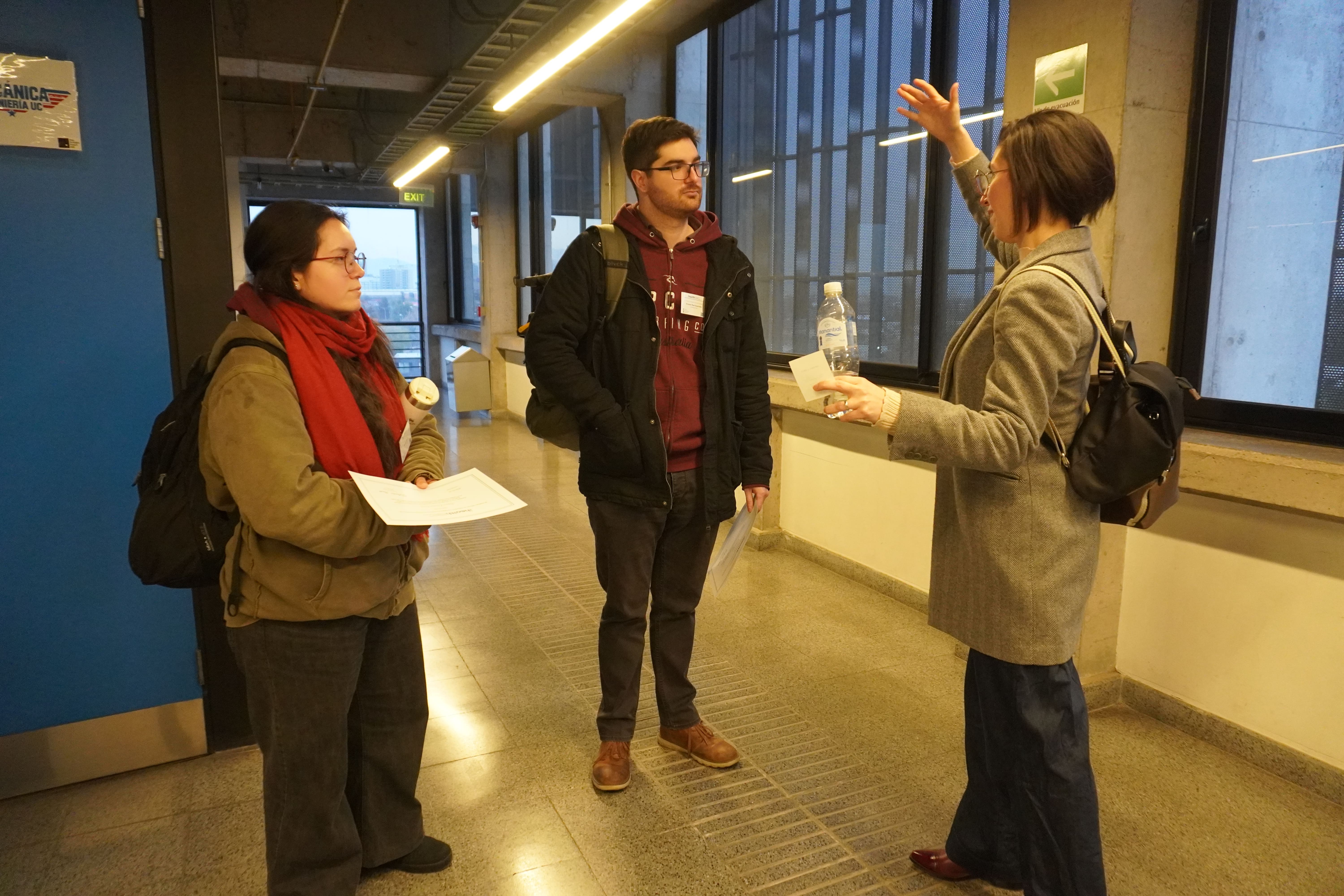
Second iHEALTH Winter School brought together students from 13 universities around artificial intelligence applied to health
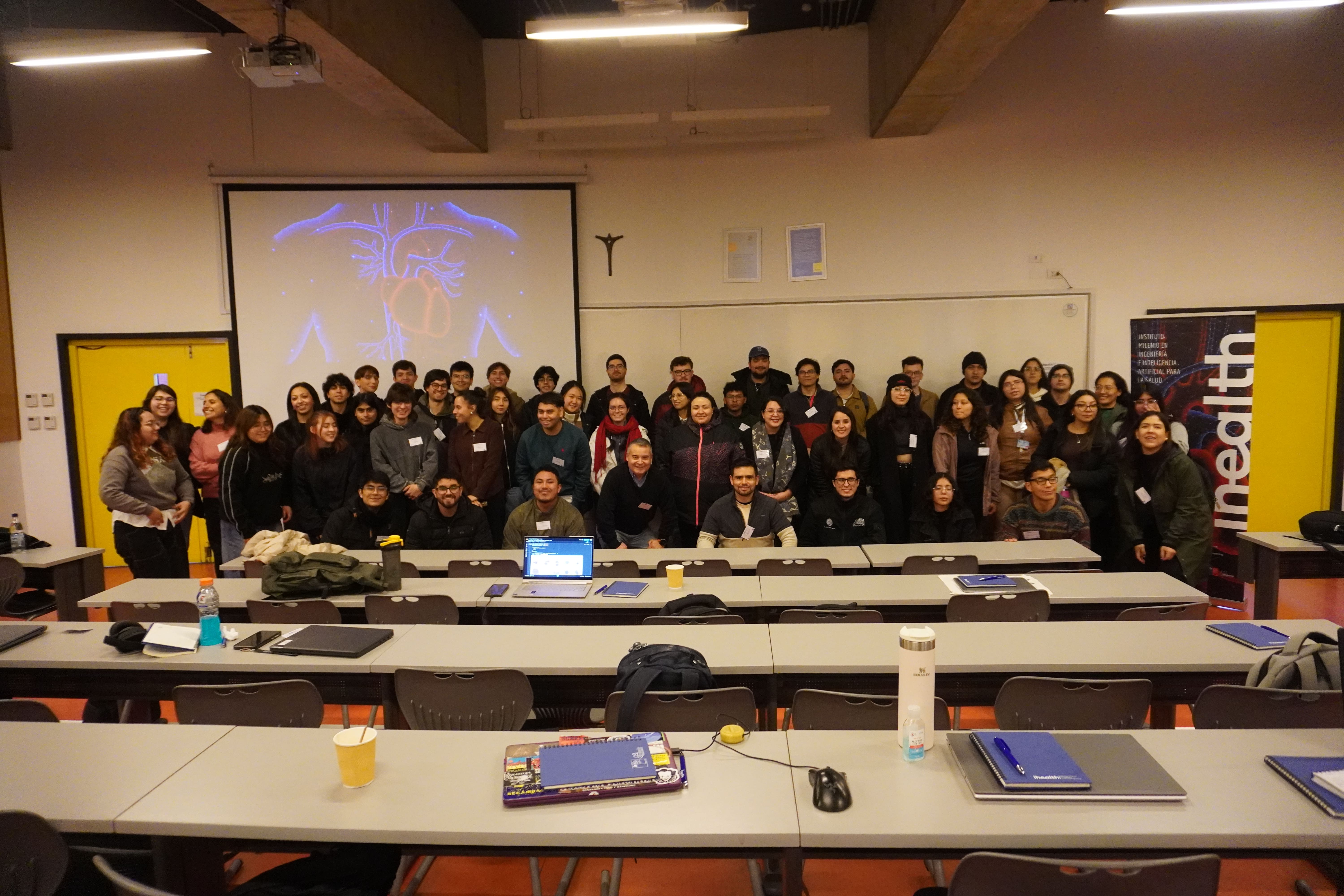
Over two days at the UC San Joaquín Campus, participants from different institutions and disciplines received training in AI fundamentals, deep learning for medical imaging, natural language processing, and the responsible use of these technologies in clinical settings.
On July 21 and 22, 2026, the Science and Technology Building at the San Joaquín Campus of the Pontificia Universidad Católica de Chile hosted the 2nd Winter School of the Millennium Institute for Intelligent Healthcare Engineering (iHEALTH), a free, in-person training activity aimed primarily at undergraduate and graduate students in engineering, sciences, health, and related fields.
The school's second edition brought together the 50 selected participants from 13 higher education institutions. Of the total, 36 were undergraduate students and 14 were graduate students, including master's, doctoral, and medical specialty programs. Participants were selected with gender equity in mind, achieving a balanced distribution of 26 men (52%) and 24 women (48%).
Disciplinary diversity was another distinctive feature of this edition: alongside engineering programs —electrical, computer science, biomedical, physics, bioinformatics, data science, and artificial intelligence— there were students from Medicine, Nursing, Medical Technology, Chemistry and Pharmacy, Medical Physics, Medical Informatics, and Adult Neurology.
Day 1: from machine learning fundamentals to convolutional networks
The first day, focused on AI fundamentals and deep learning for medical imaging, opened with a talk by iHEALTH's alternate director Marcelo Andia, who, in addition to introducing what iHEALTH is and does, spoke with attendees about the role of AI in health.
Next, Carolina Pacheco delivered the class "Basic concepts of artificial intelligence," which traced the full path from the very definition of learning to current architectures, closing with the challenges in the field.
The day continued with the hands-on workshop "Blood cell classification with CNNs," led by Ronald Marca and Guillermo Sahonero, dedicated to designing and training convolutional neural networks. Working in Google Colab with PyTorch, participants used the BloodMNIST dataset to build from scratch an architecture with two convolutional blocks, max pooling layers, and a dense stage with dropout.
Following Tabita Catalán's talk on applications in medical imaging, the day closed with the segmentation workshop using deep learning, led by Carlota Rivera and Dafne Barrera. The session introduced the U-Net architecture (Ronneberger, Fischer, and Brox, 2015), today a standard in biomedical segmentation, explaining its encoder-decoder structure with skip connections and showing its versatility through examples ranging from segmenting güiñas in camera traps to skin lesions, breast tumors, and MRI image reconstruction.
The closing questions pointed directly at the limits of the exercise: what is gained and what is lost by training with 2D slices instead of the full 3D volume, what would happen if the model were applied to data from another hospital or scanner, and what additional validation a real clinical context would require before trusting an automatic segmentation.
Day 2: advanced applications, natural language, and responsible use
The second day opened with Juan Manuel Hernández and natural language processing in health, followed by Evelyn Cueva, who presented the use of AI in inverse problems and magnetic resonance imaging, and by the hands-on workshop "InicIA en salud" by Leondry Mayeta and Carolina Baez. In the afternoon, Domingo Mery offered a critical assessment in his talk "The good, the bad, and the ugly of AI."
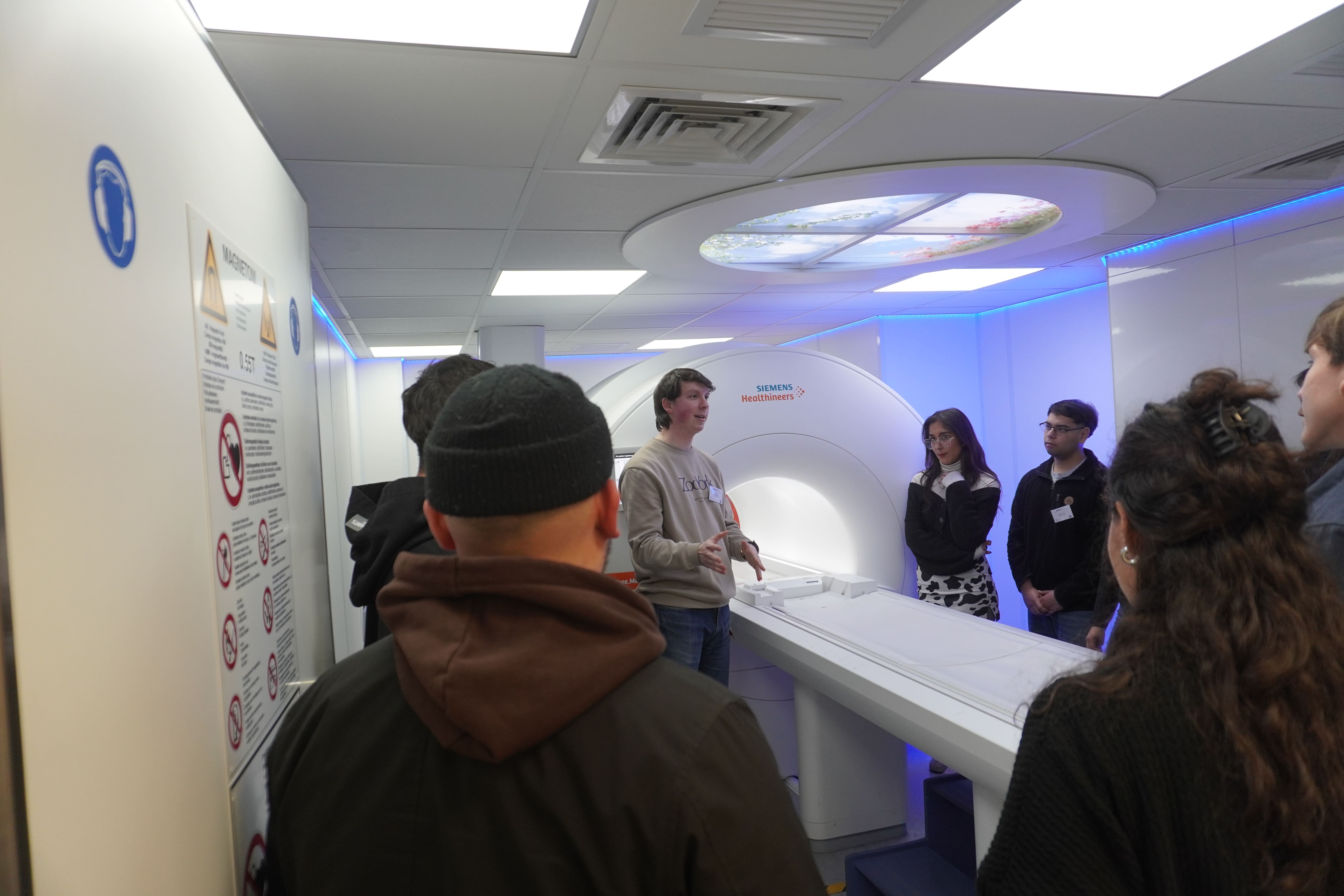
The conceptual closing of the school was led by Claudia López Moncada, associate professor at the DCC and IDIA of the Universidad de Chile, principal investigator at CENIA and adjunct researcher at ASOR, with the talk "Ethics and bias in AI." The school concluded with a visit to iHEALTH's MRI scanner.
Participants' voices
For Catalina Gómez, a Physics Engineering student at Universidad Andrés Bello, the main appeal was the cross-disciplinary exchange: "I really like the world of medical physics, so I was looking for a place that could bring us together in a more interdisciplinary way, and I found this school." Catalina, who had already taken part in the previous edition, notes that the experience allowed her to make connections and advance her own projects: "Being able to speak different languages, but with the same goal. That's what the school has given me: the ability to frame my problem in different languages—not just physics, but maybe a bit more biology or a bit more computer science."
On whether she would recommend it, she is emphatic: "Absolutely. I even came with several classmates from my university, so I always recommend this school to anyone."
Diego Vicencio, an Electrical Engineering student at the Universidad de Chile, came motivated by computational intelligence: "Ever since I decided to study Electrical Engineering I was very motivated by computational intelligence, so coming to this workshop to be able to enter that world seemed like a really good opportunity to get started."
His assessment of the experience was positive: "It's been incredible, I've learned a lot, very entertaining and thorough. The hands-on workshops have also been really good for starting to understand how this work is done." Like Catalina, she doesn't hesitate to recommend it: "Yes, absolutely. If someone is motivated by it, come."
A note: "güiñas" (the small wild cat Leopardus guigna, also called kodkod) I left untranslated as it's a species name; you could render it as "güiñas (kodkod wildcats)" on first mention if the audience is unfamiliar. Also, the final quote is from Diego, so "she doesn't hesitate" should be "he doesn't hesitate."