Physics-Informed Medical Imaging Enhanced by Artificial Intelligence
The event, led by the principal investigator and Stream 2 coordinator, Dr. Steren Chabert, featured three presentations covering topics ranging from low-field magnetic resonance imaging to hemodynamic modeling and self-supervised 3D reconstruction.
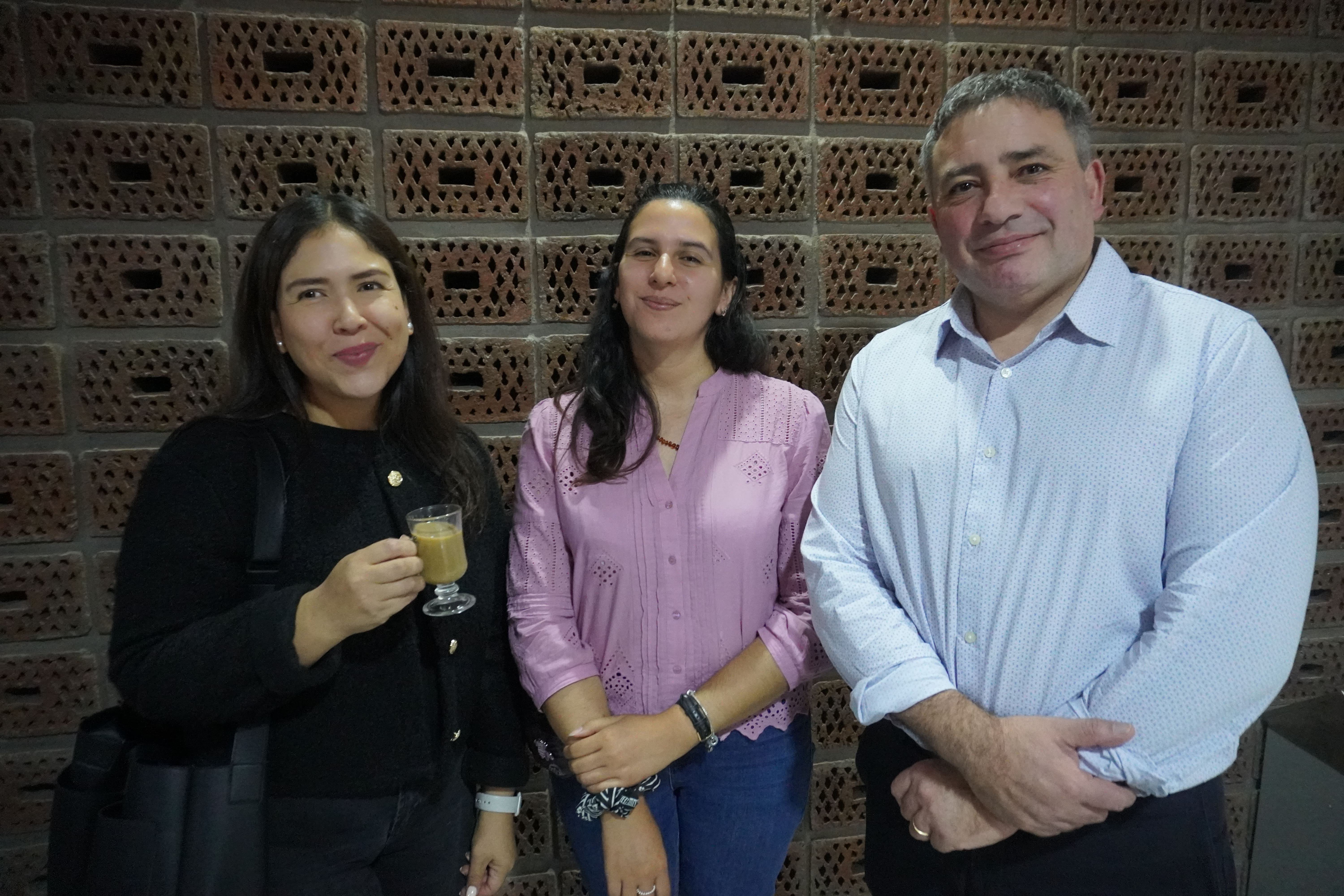
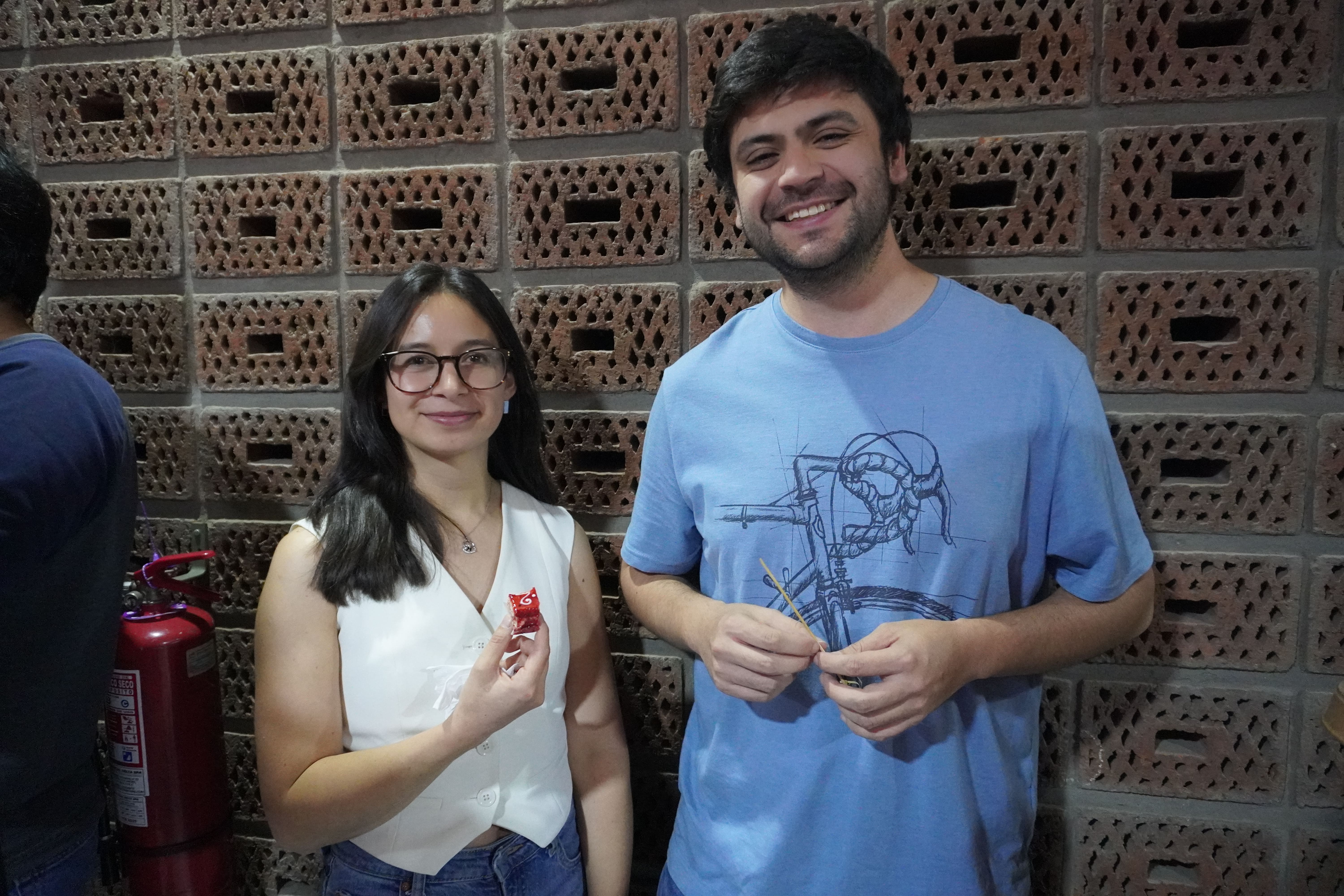
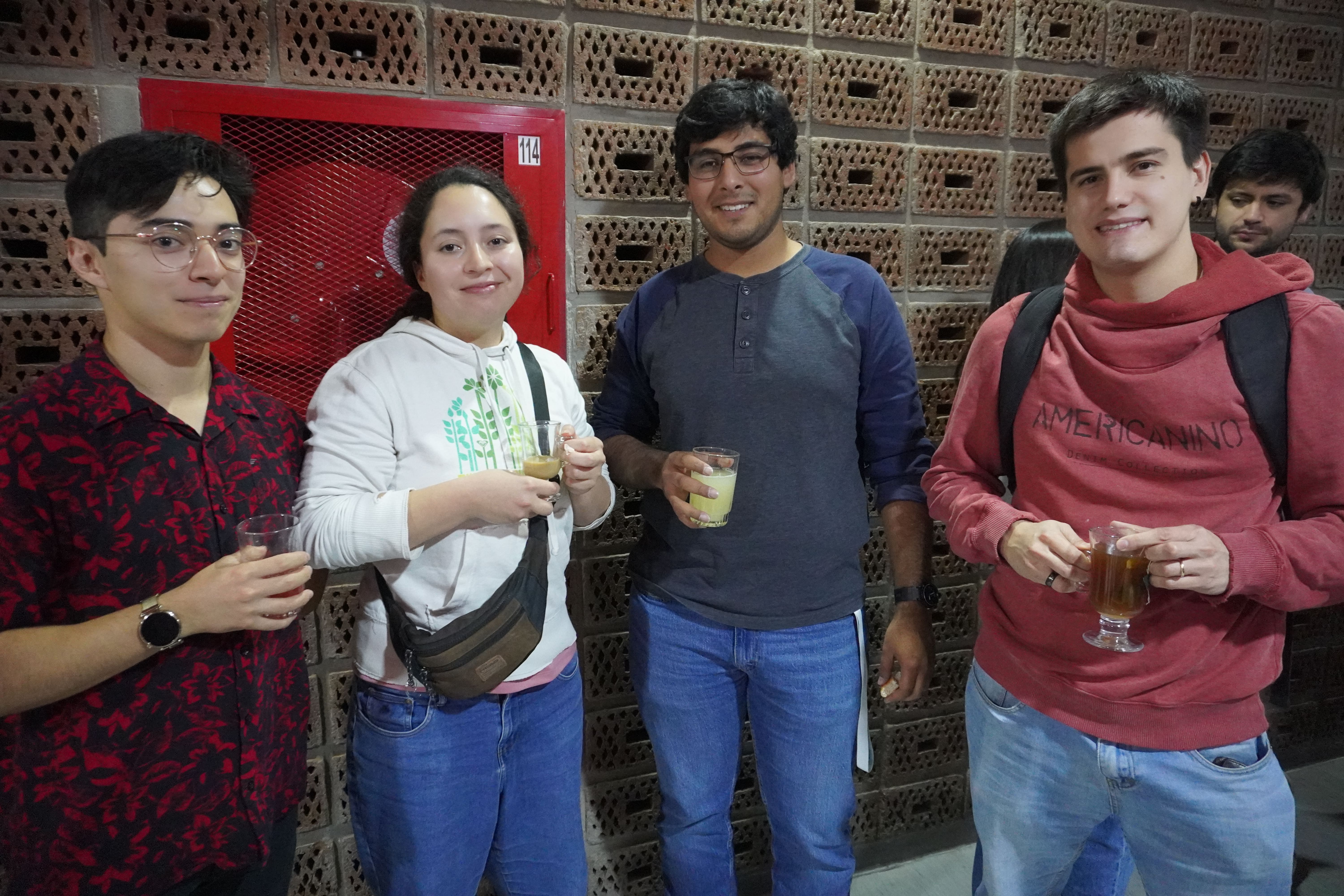
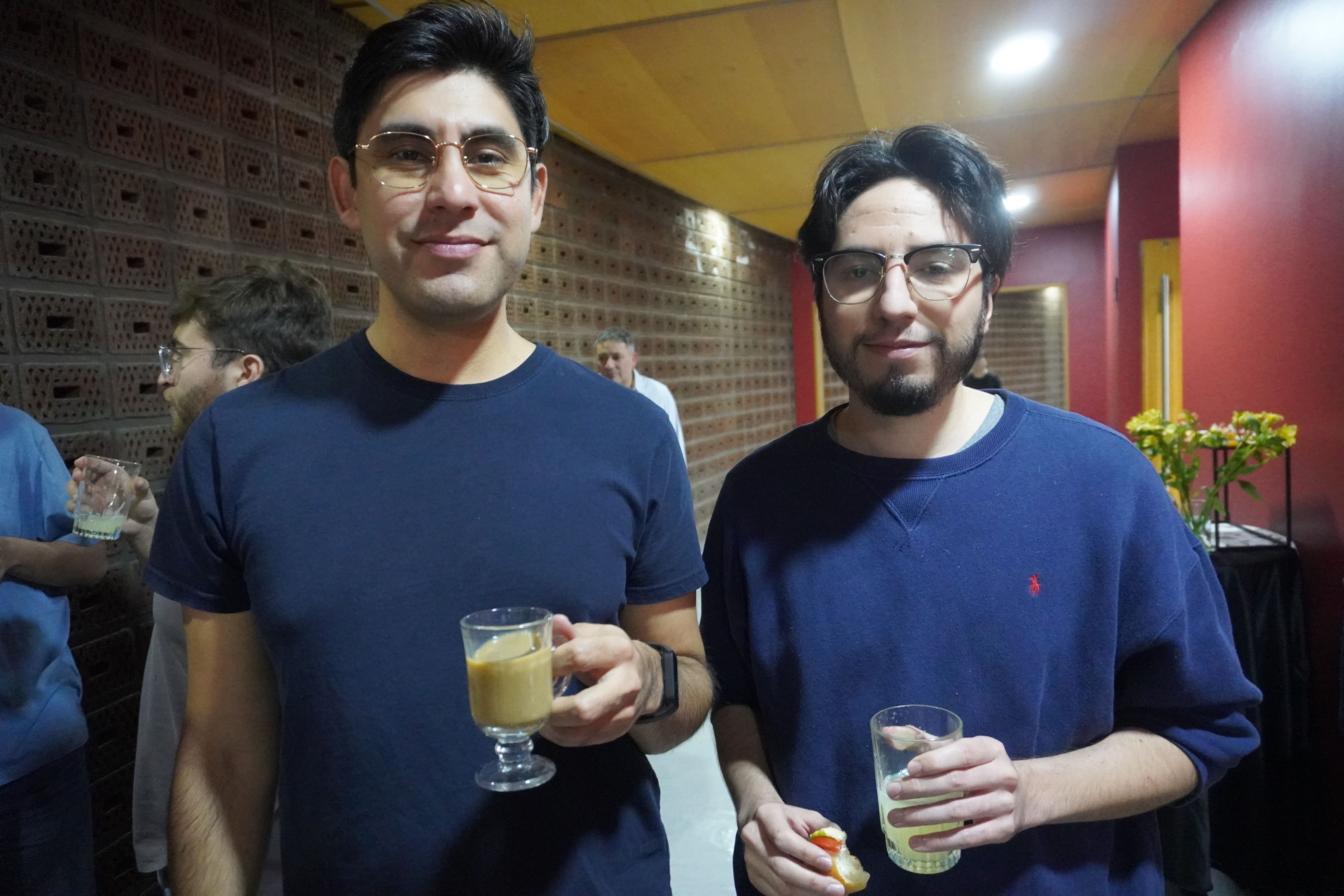
On April 30, the first Stream 2 Meeting of the year was held at the Aula Magna of the San Joaquín campus of the Pontificia Universidad Católica de Chile, where iHEALTH researchers and students shared their progress in developing physics-informed artificial intelligence methods for medical imaging.
Sebastián Ibarra, a doctoral student in Engineering at the Universidad de Valparaíso (in a joint program with the Universidad de Tarapacá), presented a lightweight data-consistency-based architecture for enhancing knee images acquired on low-field MRI scanners. His proposed model, called CONSIS-Net, "has approximately 1.5 million parameters — compared to the 20–25 million found in reference architectures such as SwinMR — and achieved a structural similarity index (SSIM) of 95–96% and a PSNR of ~40 dB," the researcher noted.
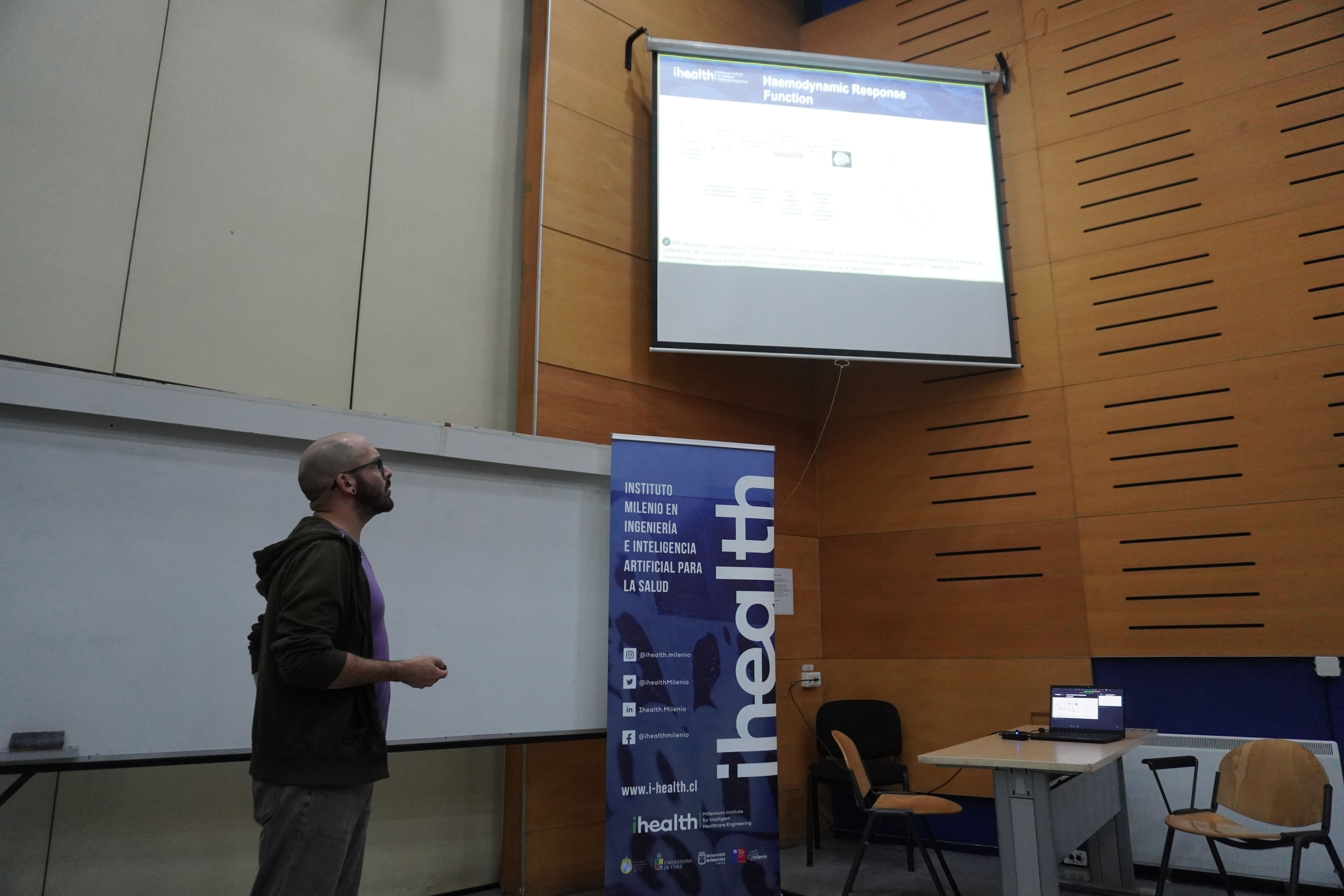
Rodrigo Avaria, in the final stage of his Doctorate in Statistics at the Universidad de Valparaíso, presented a physics-informed neural network (PINN) designed to solve the Balloon Model and estimate the hemodynamic response function (HRF) in functional magnetic resonance imaging (fMRI). As the researcher explained, "when applied to real data from patients with ischemic stroke, the tool demonstrated the ability to detect significant differences between brain hemispheres, with a plausible explanation for the underlying variation in metabolic consumption, validating its potential clinical utility."
Finally, Christofer Cid, a research engineer at iHEALTH, presented a self-supervised reconstruction method for multi-contrast 3D knee acquisitions at 0.55 Tesla, which generates T1 and T2 maps in approximately 2 minutes, compared to the 40 minutes required by standard methods. "The approach leverages the Cartesian geometry of the acquisition to drastically reduce computational cost," he noted.
iHEALTH's Stream 2 seeks to harness synergies across medical imaging modalities — including ultrasound and magnetic resonance imaging at various field strengths — throughout the full pipeline of acquisition, diagnosis, and prognosis, with a focus on improving the efficiency, effectiveness, and accessibility of these technologies, including lower-cost equipment.