Aconcagua Valley Students Train in Artificial Intelligence and Health
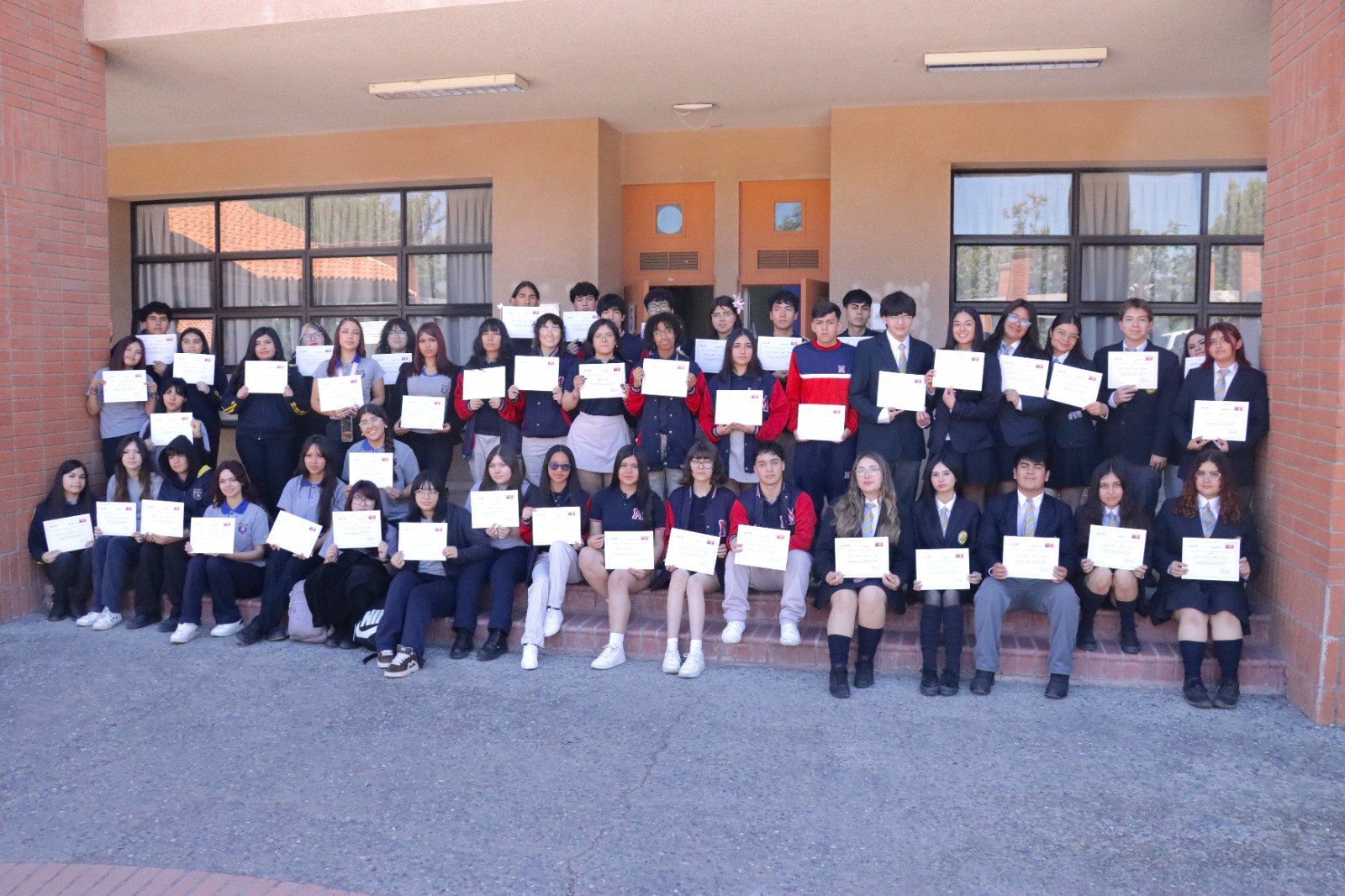
With a ceremony at the Universidad de Valparaíso’s San Felipe Campus, students from three high schools in Los Andes and San Felipe completed the InicIA en Salud workshop series: four 90-minute sessions on artificial intelligence applied to healthcare, delivered by the Millennium Institute iHEALTH.
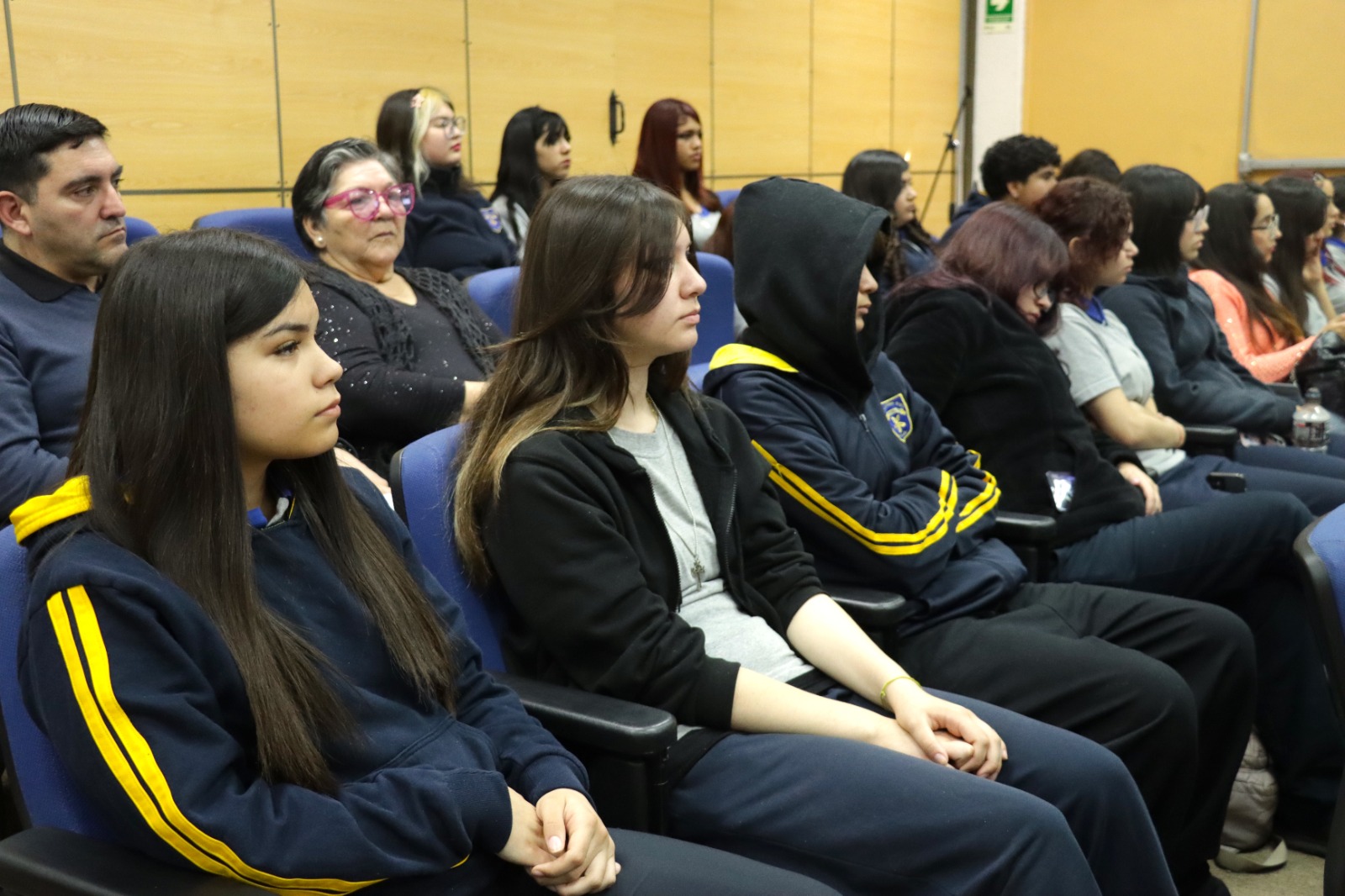
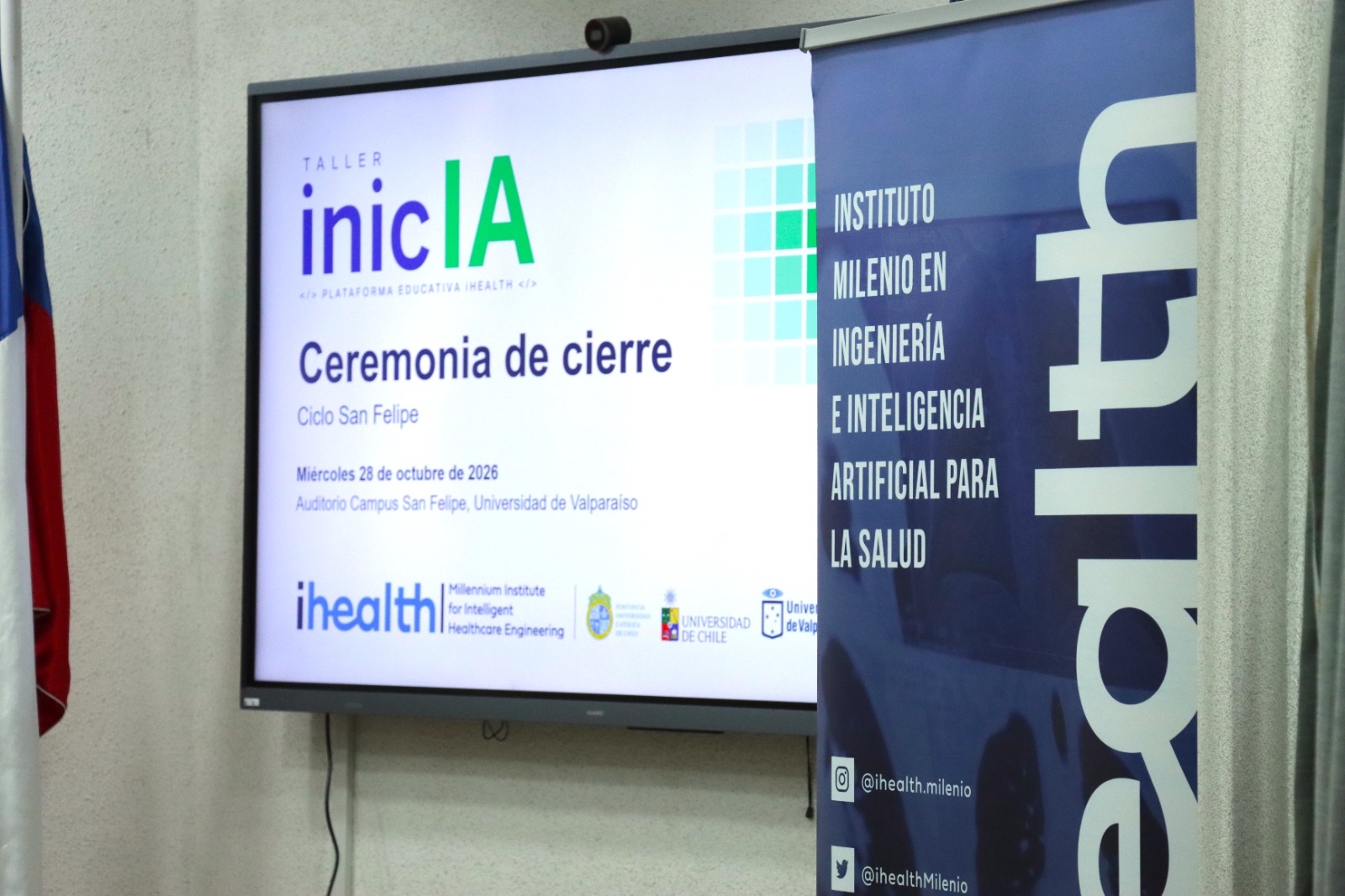
On Wednesday, October 28, the auditorium of the Universidad de Valparaíso’s San Felipe Campus hosted the closing ceremony of the InicIA en Salud workshop series, an initiative of the Millennium Institute for Intelligent Healthcare Engineering, iHEALTH.
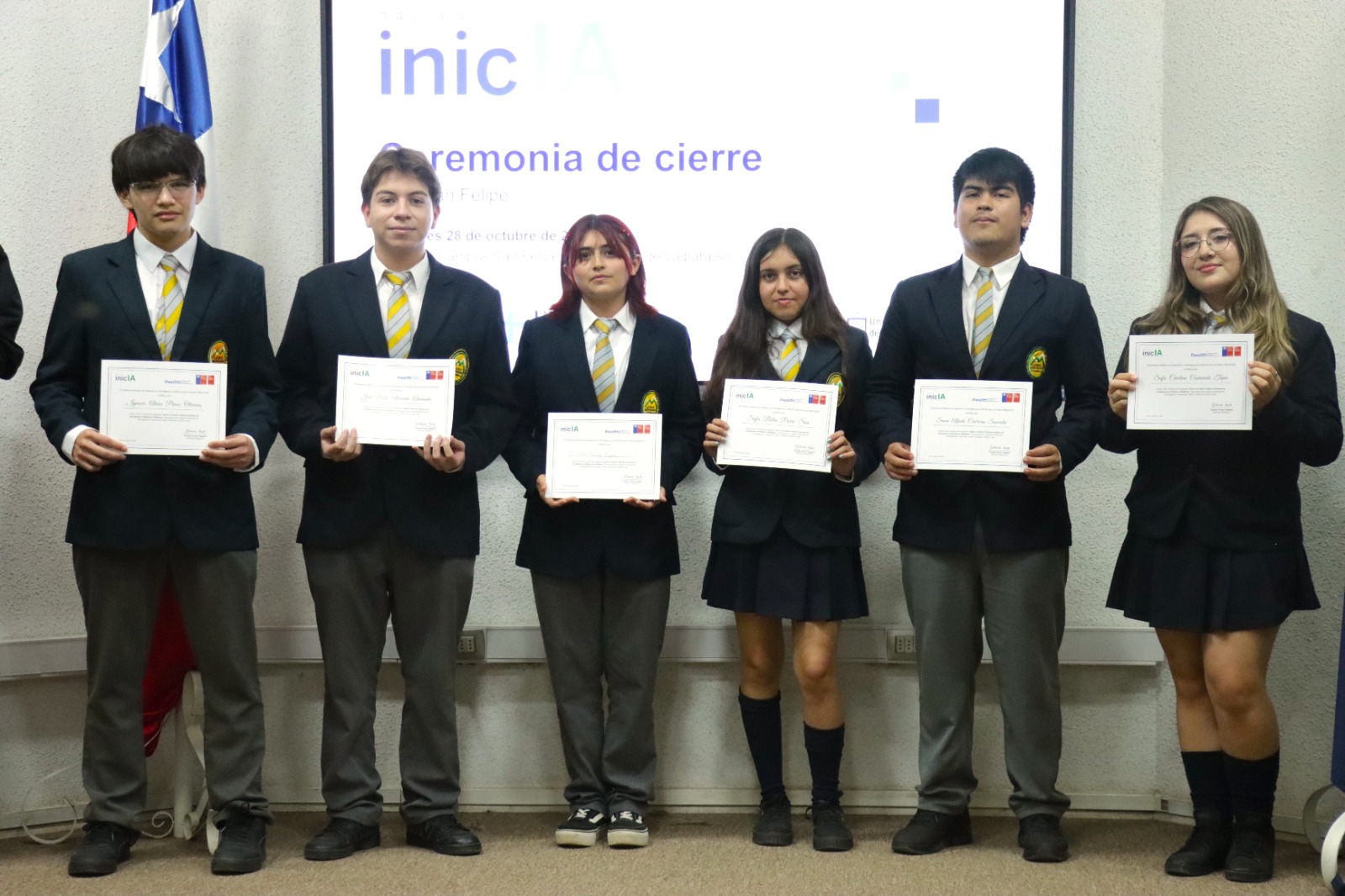
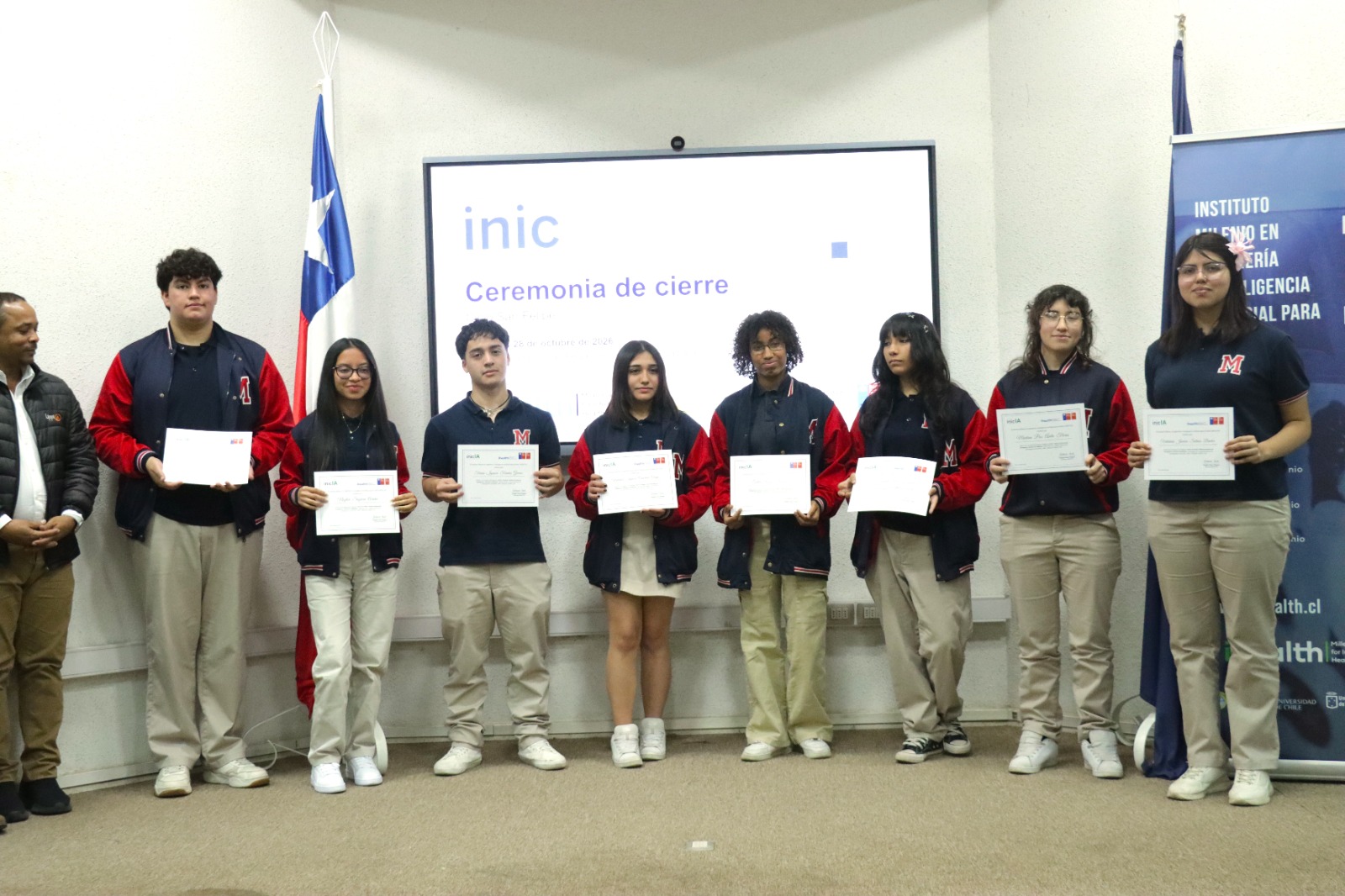
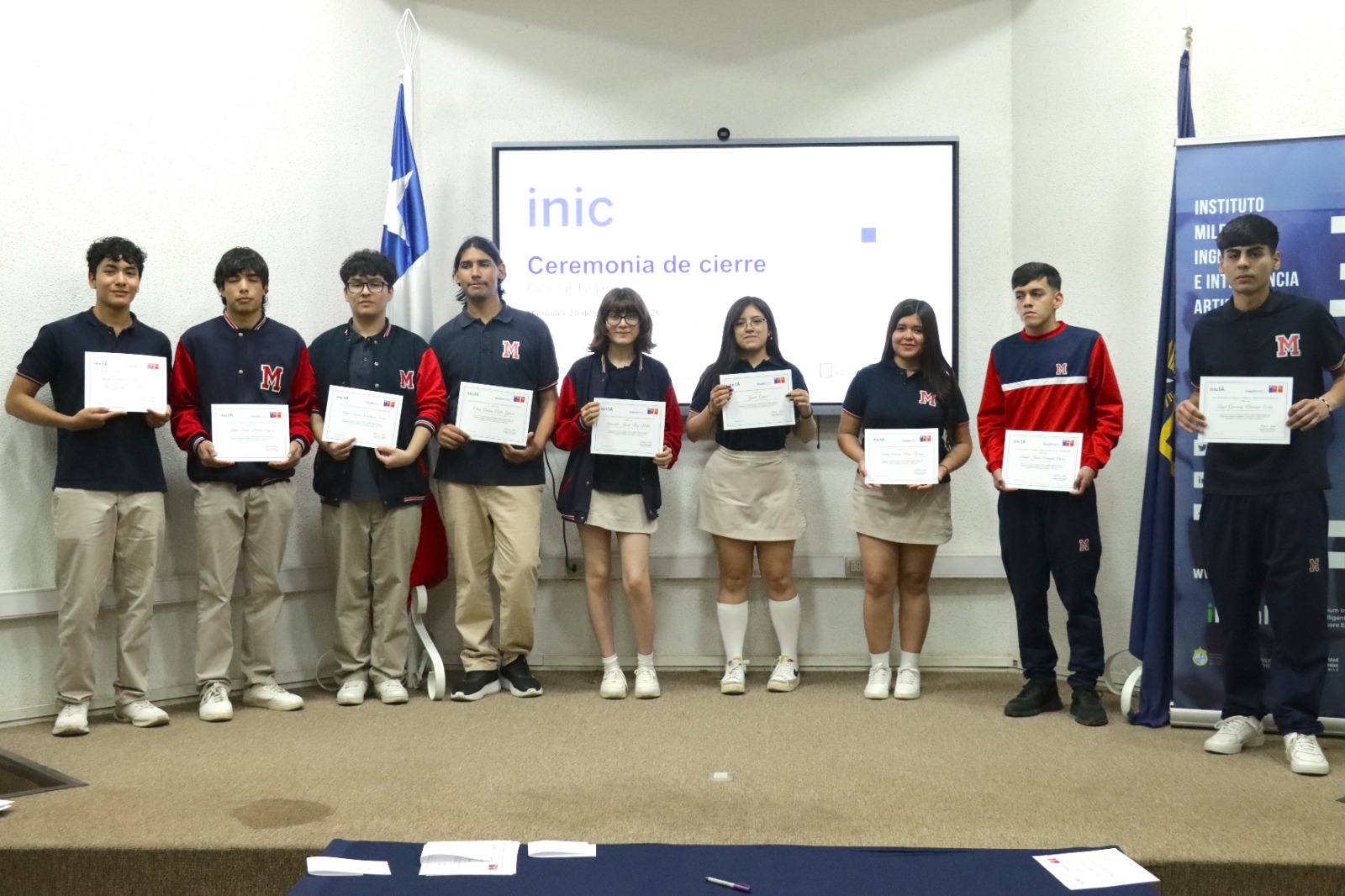
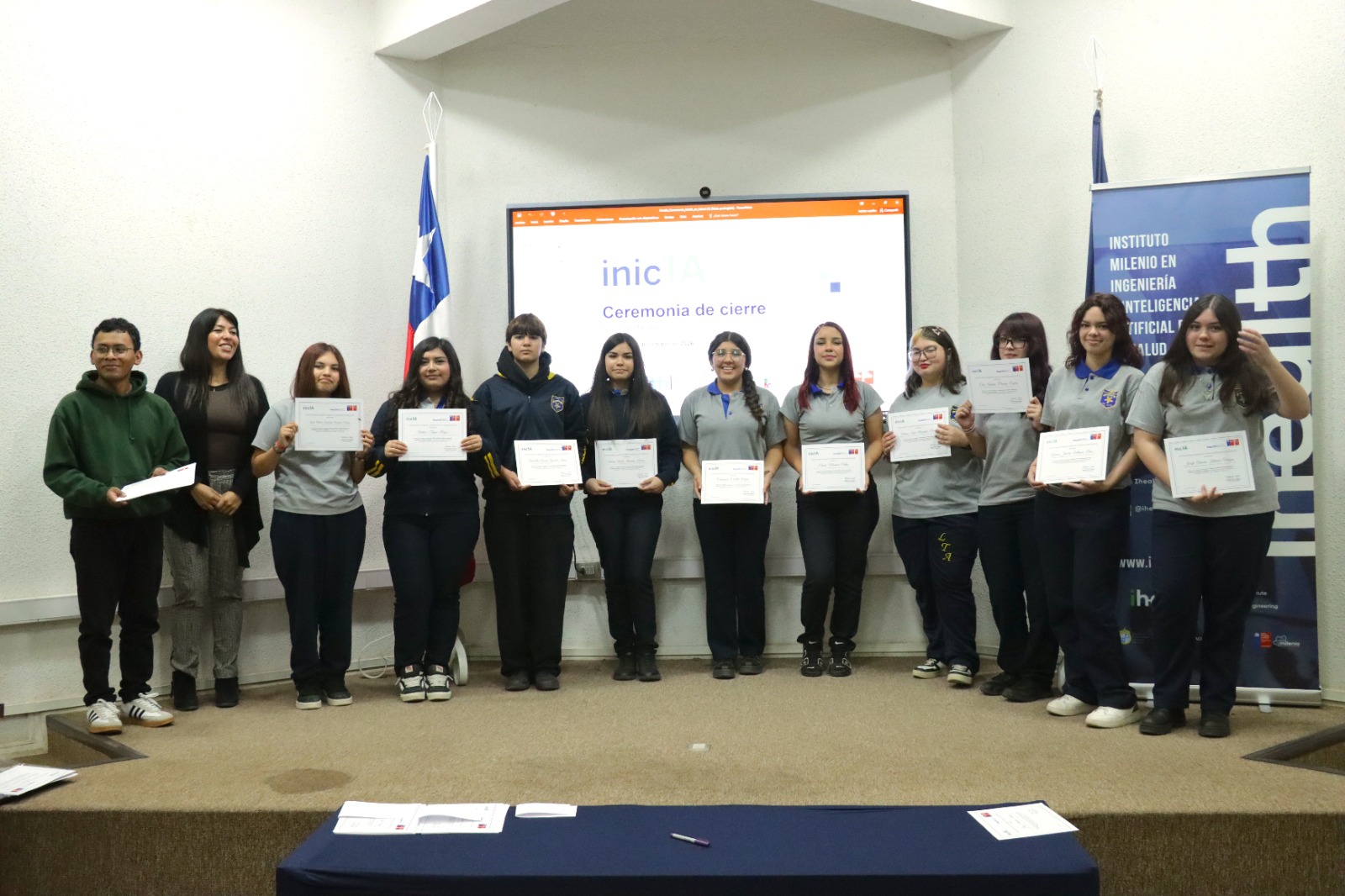
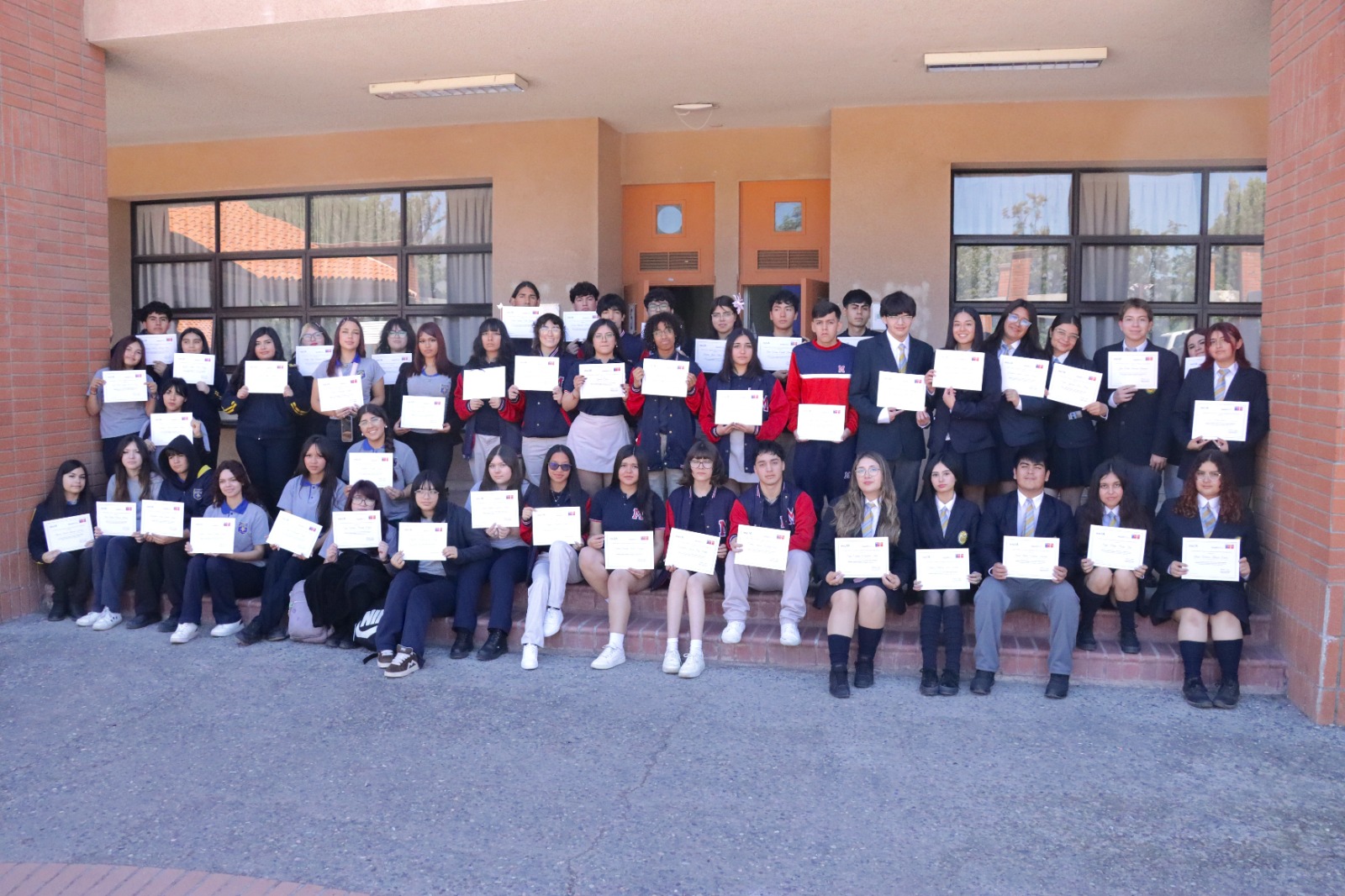
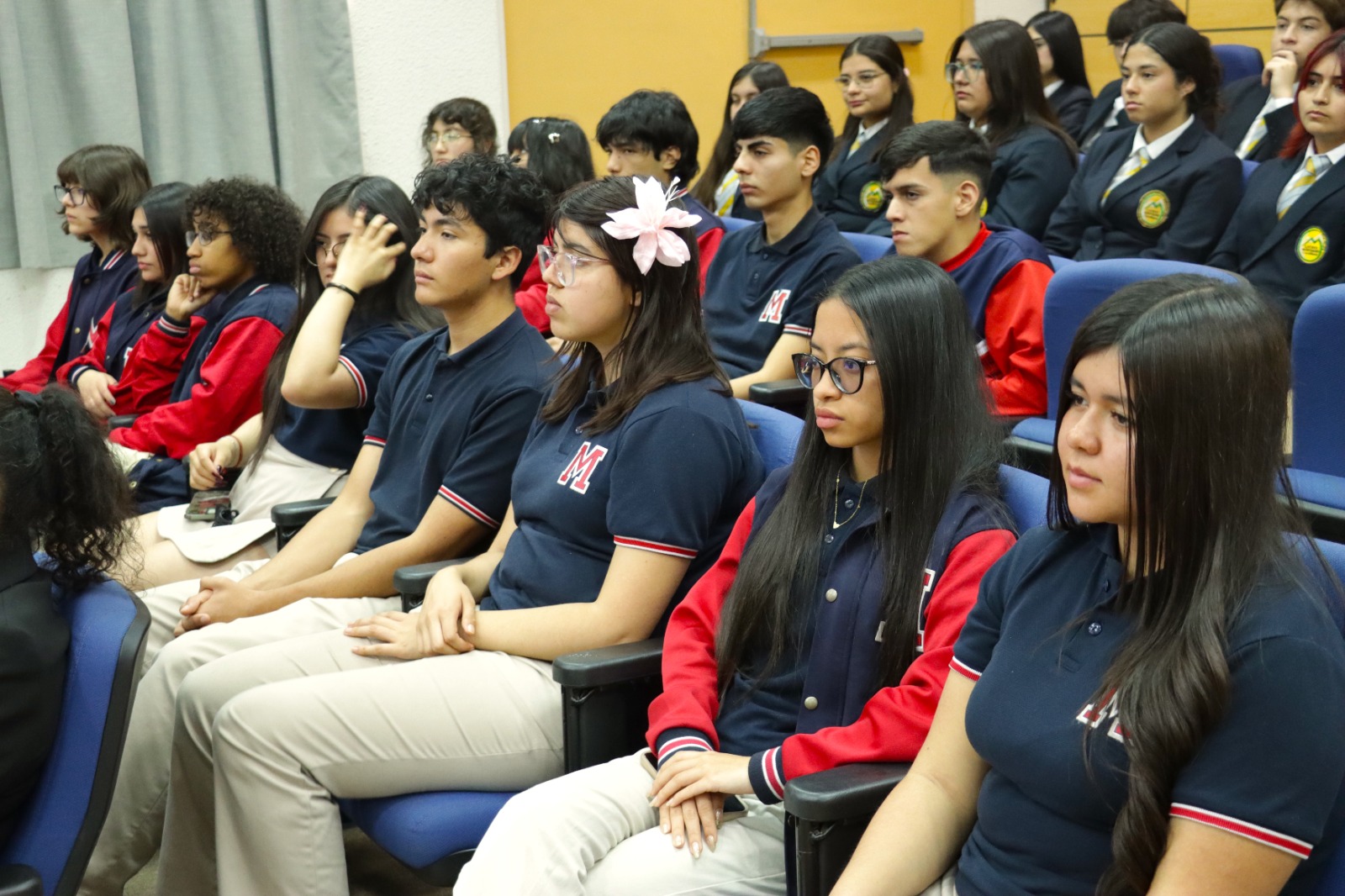
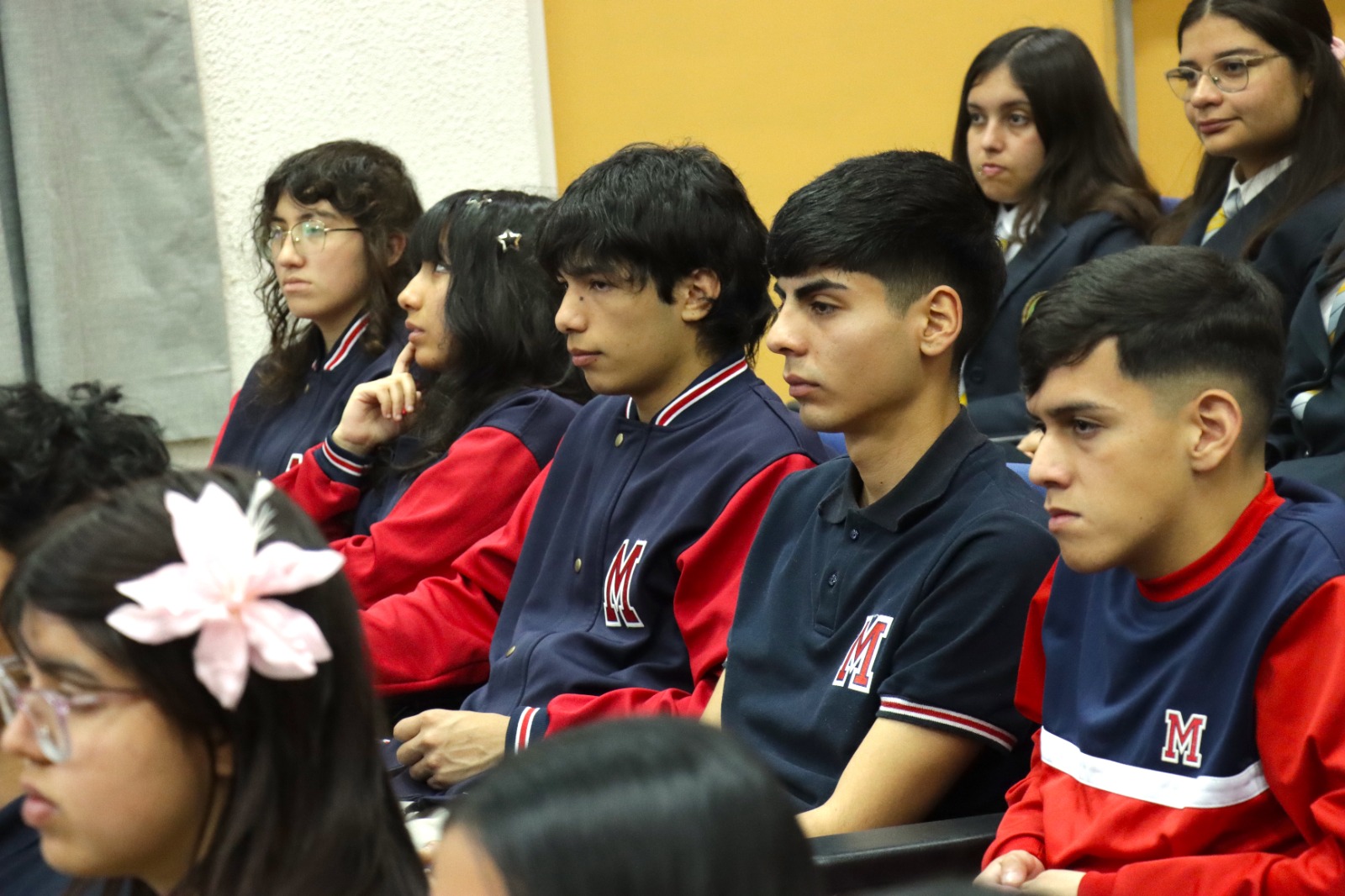
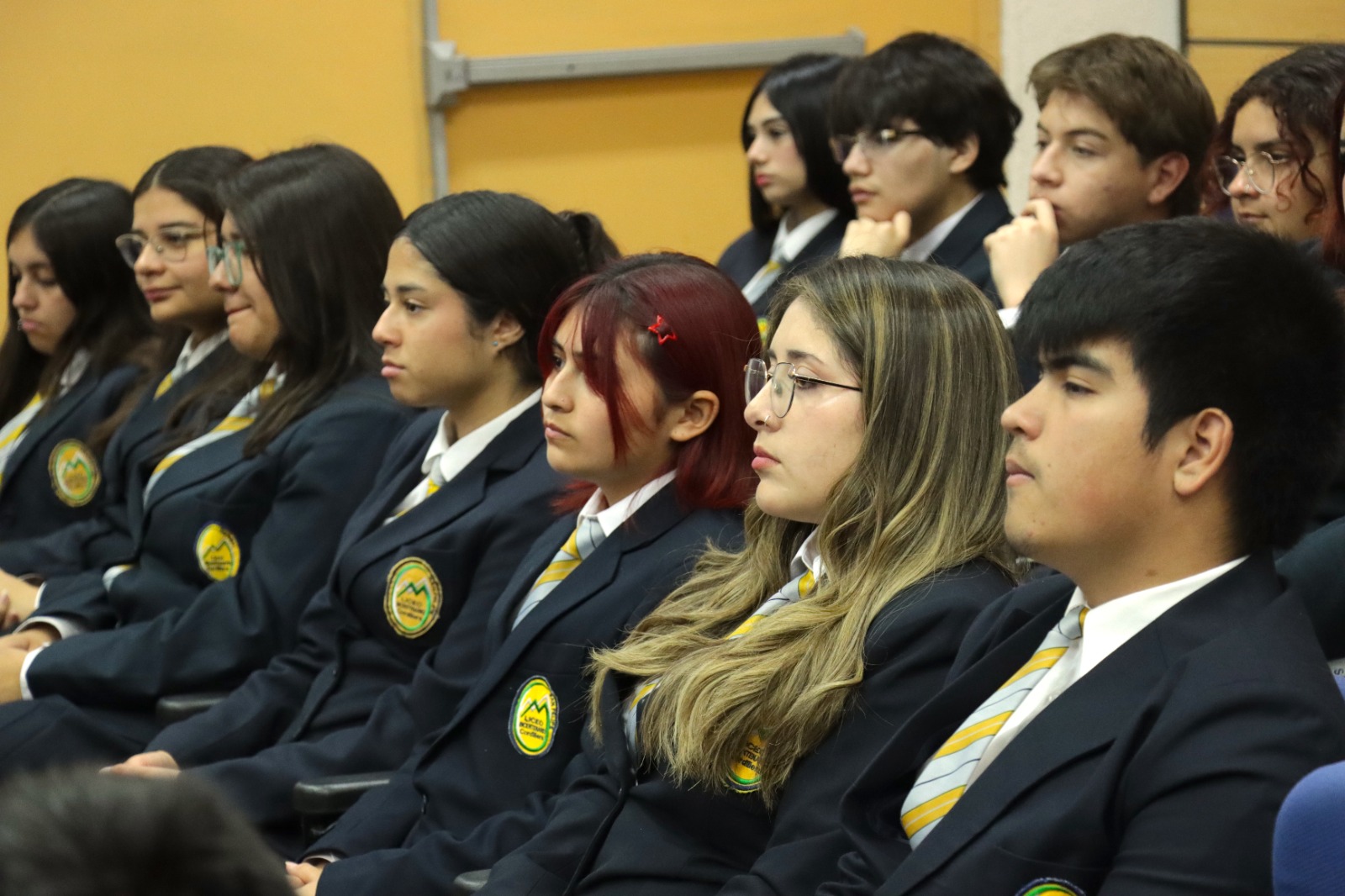
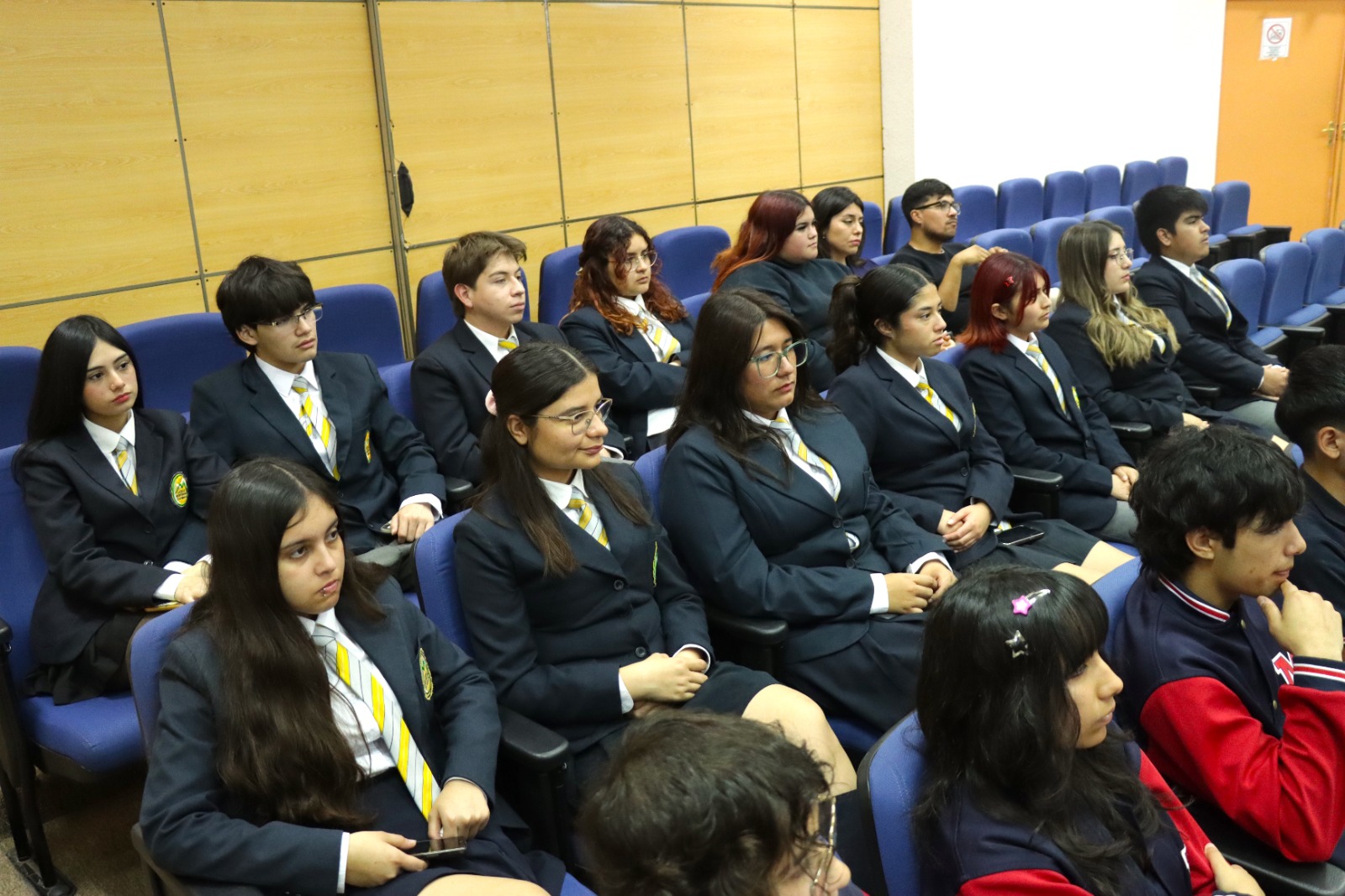
The event brought together 60 students from Liceo Bicentenario Técnico Amancay, Liceo Mixto de Los Andes and Liceo Bicentenario Cordillera de San Felipe. Throughout October, they took part in four workshops based on the institute’s real research, guided by graduate students from the Universidad de Valparaíso.
“At iHEALTH, we believe that research in artificial intelligence for healthcare must leave the laboratories and reach communities. With InicIA en Salud, we wanted to bring this knowledge to students in the Valparaíso Region, because the country’s scientific development is also built by opening up opportunities in the regions,” said Rodrigo Salas, principal investigator at iHEALTH.
Talia Reyes, a student at Liceo Mixto Los Andes, said “it was a pleasant and communicative experience, where we all got to speak up in this innovative project that combined medicine with AI. It really surprised me, because many people see AI as a threat, but here you can see that it serves a purpose that helps medicine.”
The series offers a progressive journey through different applications of AI in healthcare. In the first workshop, students explored medical images such as MRIs, CT scans and X-rays in 2D and 3D, learning to tell healthy tissue apart from abnormal tissue. In the second, they worked with body signals such as electrocardiograms, brain waves and respiratory sounds, and trained simple machine learning models to classify them. The third workshop covered segmentation, that is, how an AI model trained on thousands of images labeled by specialists can automatically outline anatomical structures. The fourth and final workshop focused on language models: students tested a chatbot’s answers to health questions and checked them against reliable sources such as Chile’s Ministry of Health (Minsal) and the World Health Organization (WHO).
The activities used tools such as Google Colab, and each session ended with a reflection on the limits of technology: when to trust an automated classification, what errors a model can make, and why supervision by healthcare professionals remains essential. The program is aligned with the 21st-century skills promoted by Chile’s Ministry of Education, such as critical thinking, digital literacy and digital citizenship.
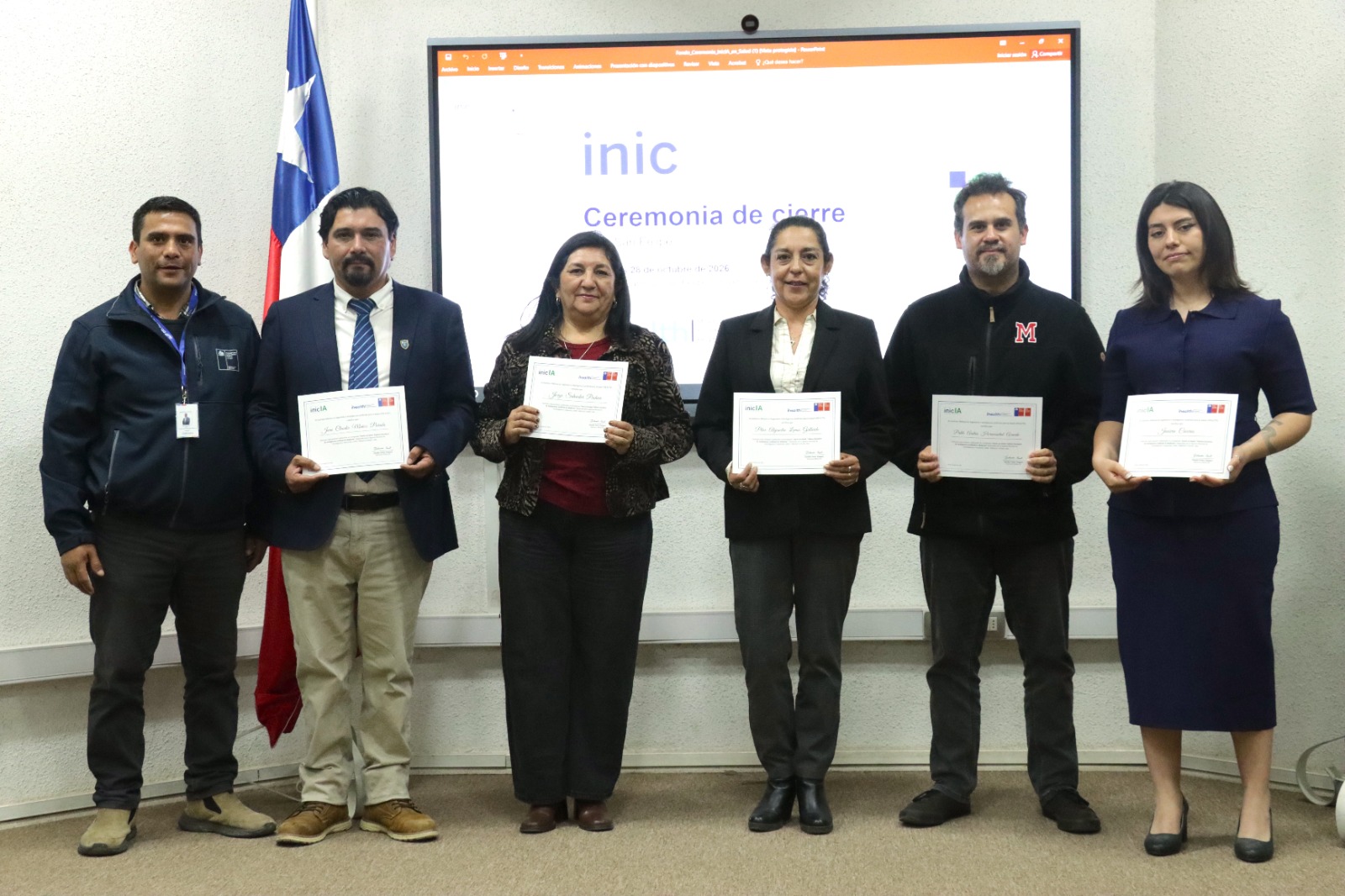
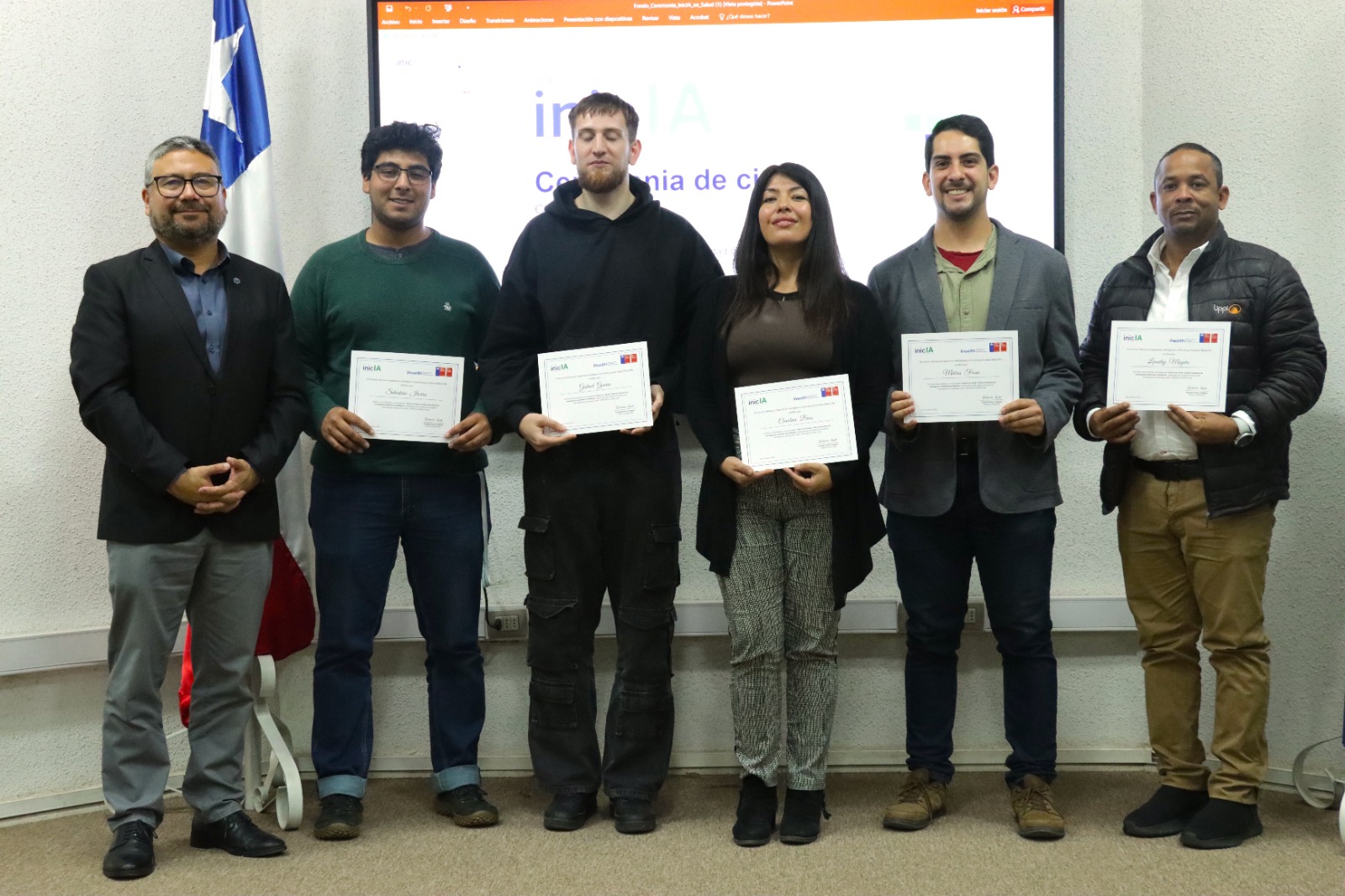
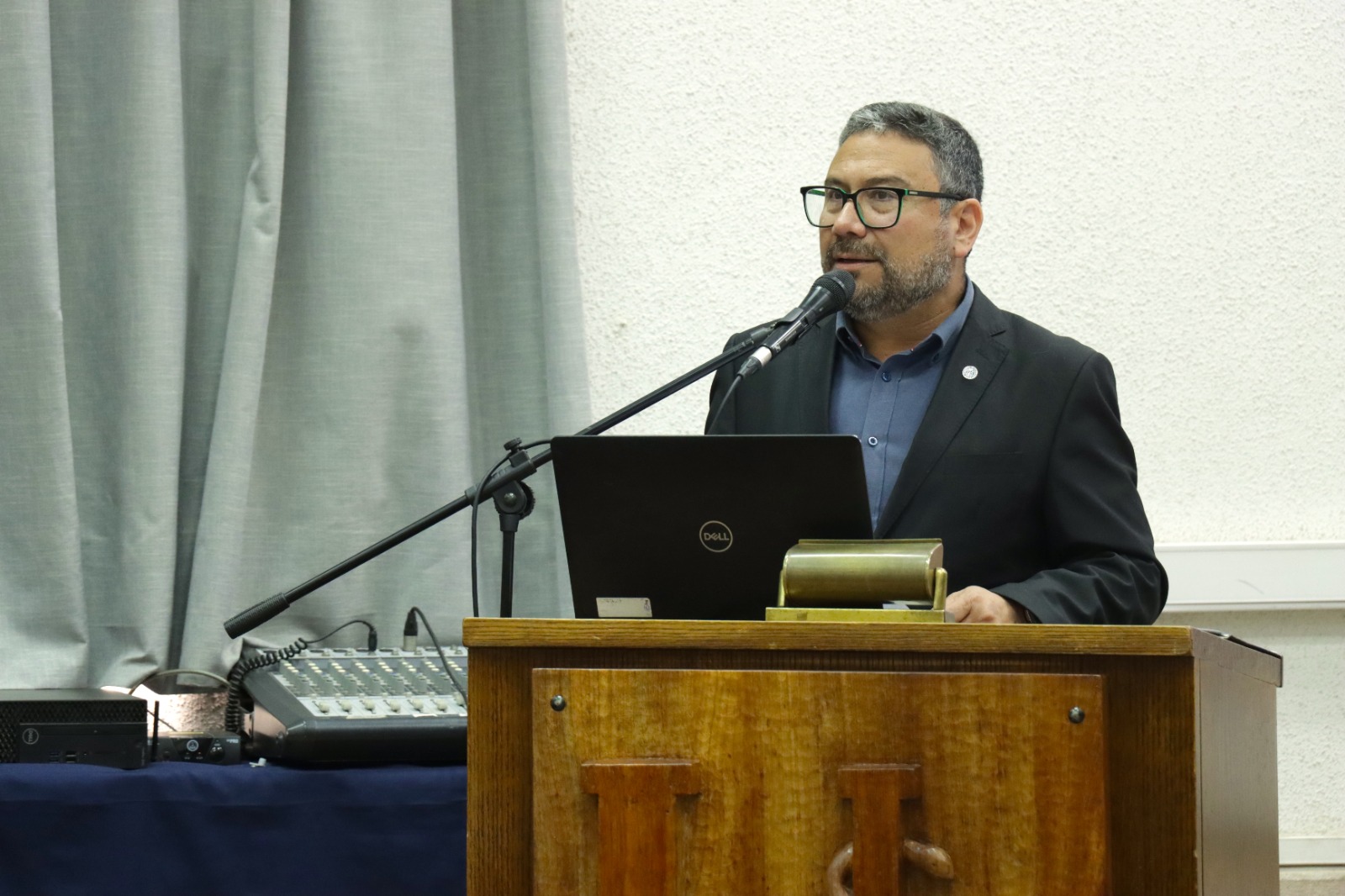
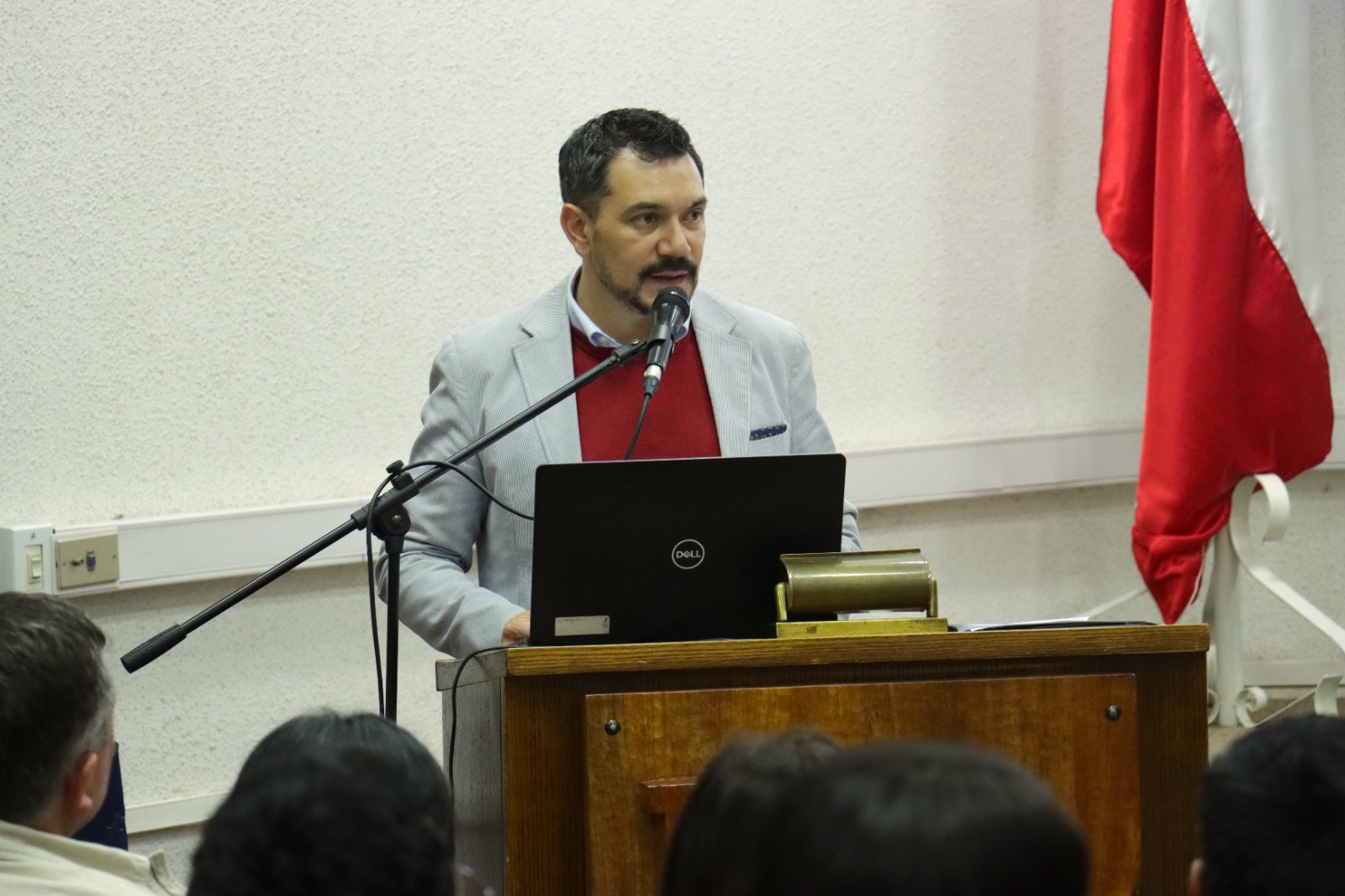
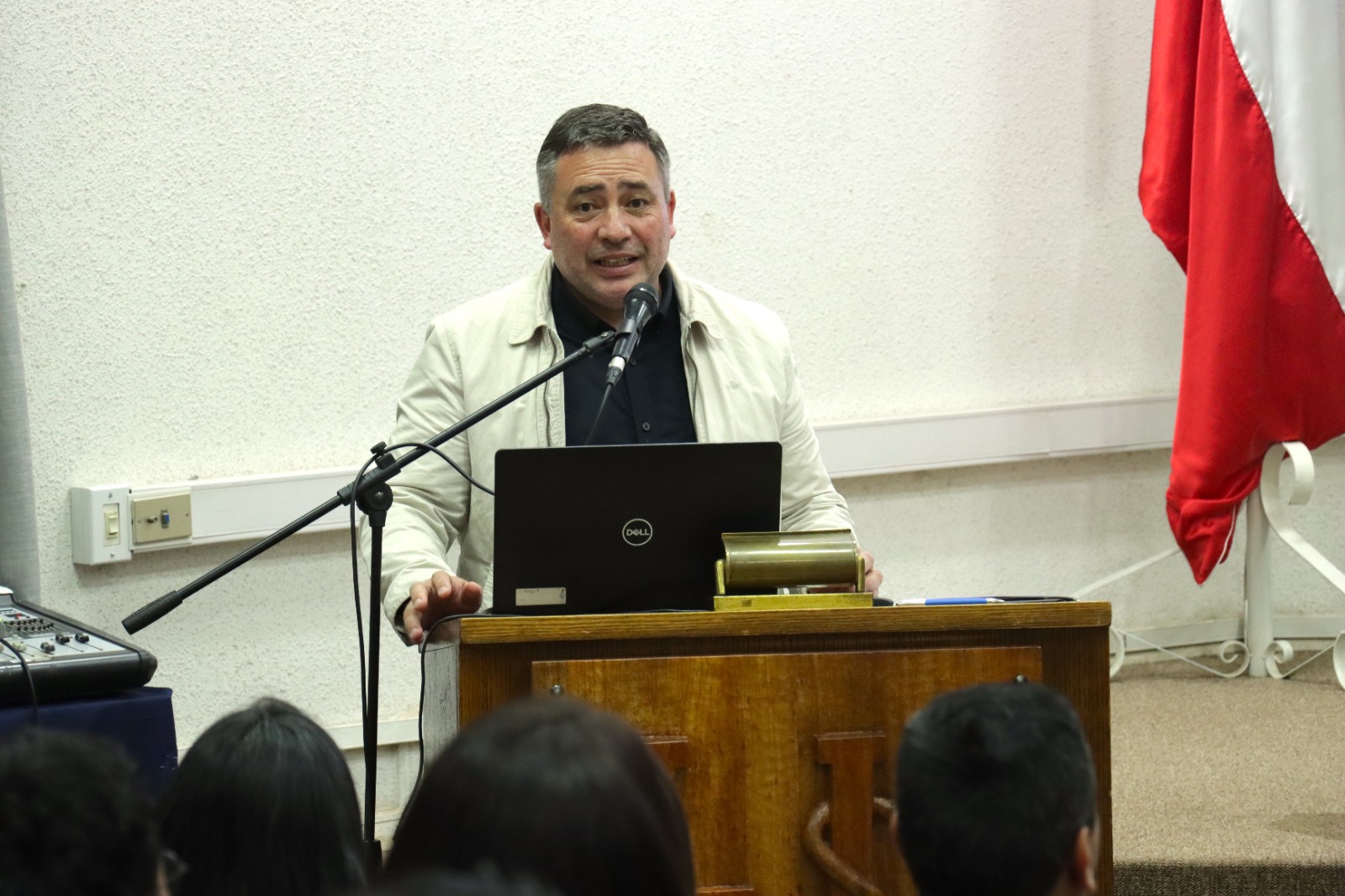
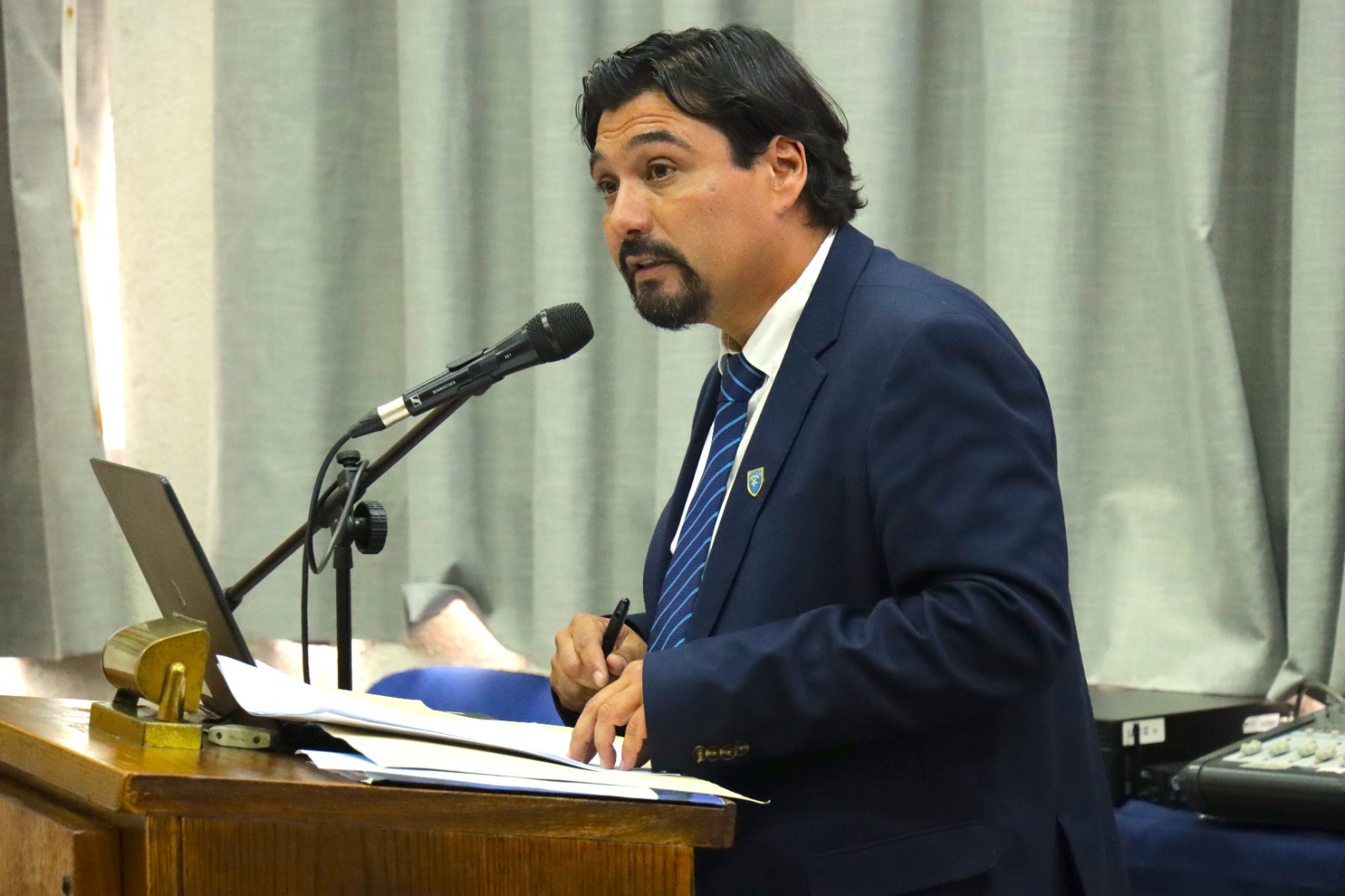
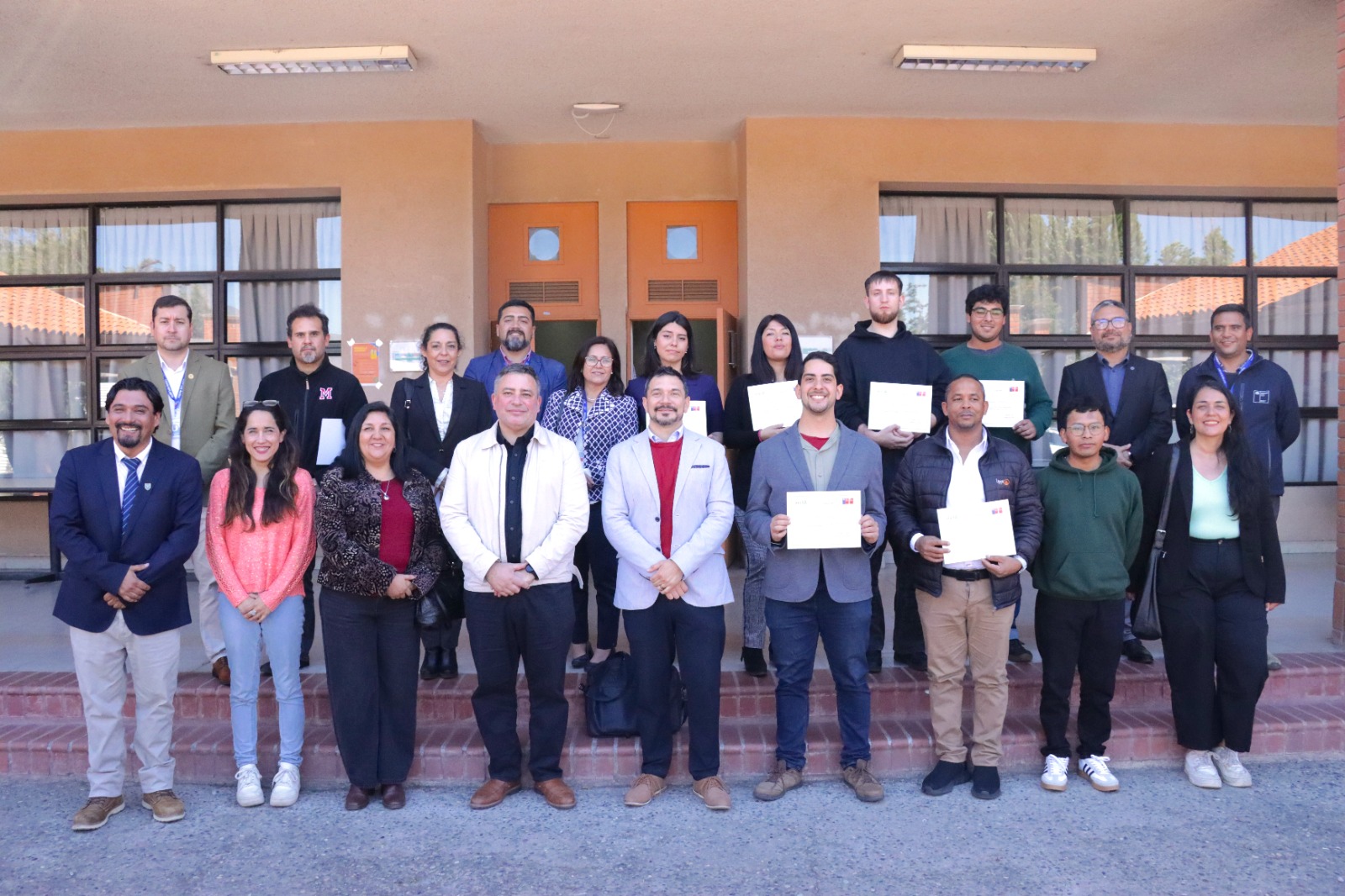
The ceremony was attended by Francisco Pantoja, director of the Universidad de Valparaíso’s San Felipe Campus; Rodrigo Salas, principal investigator at iHEALTH; Luciano Weber, chief of staff of the Los Andes Local Public Education Service (SLEP); and Rodán Olivares, comprehensive education advisor at SLEP Aconcagua, along with school administrators, teachers and workshop instructors. The event included remarks by Juan Claudio Muñoz, a teacher at Liceo Bicentenario Técnico Amancay, and the presentation of awards to instructors, teachers and students.
InicIA en Salud aims to spark interest in science, engineering and artificial intelligence among young people in the Valparaíso Region, and to encourage careers in health-related STEM fields. The closing event gave students the chance to share what they had learned and reflect together on the full series. The program’s guides, infographics and video capsules will be available on the aimaginar.i-health.cl platform, so that other schools in the region and across the country can replicate the experience on their own.